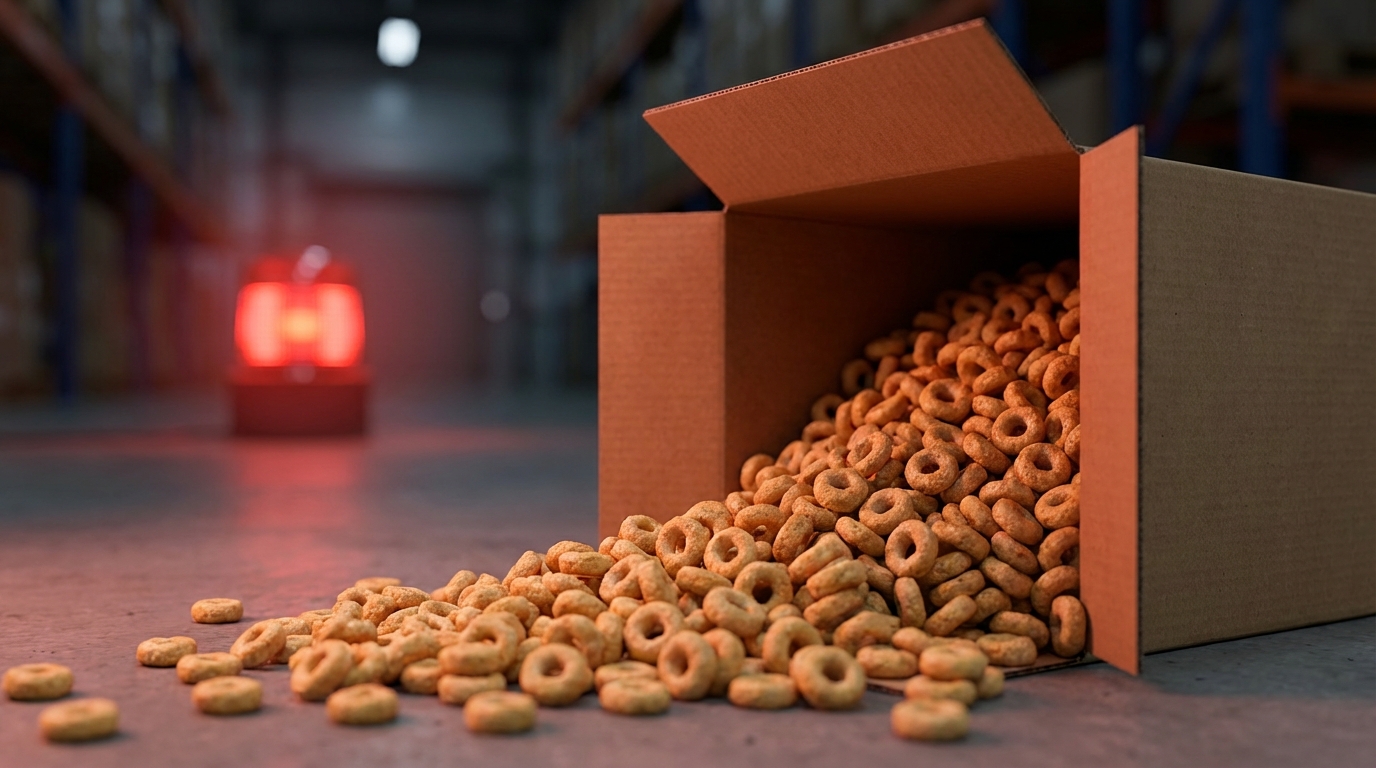
Sanitation Issues Lead to Cheerios Recalled in Midwest
Sanitation Issues Lead to Cheerios Recalled Along With 2,000 Other Products
A massive recall affecting nearly 2,000 different consumer products has been initiated by Gold Star Distribution, Inc., triggering safety concerns across the Midwest. The recall was prompted by the discovery of insanitary conditions at the company’s Minneapolis-based facility, where popular household items were stored. Among the vast inventory affected are major breakfast staples, with specific batches of Cheerios recalled due to potential exposure to biological contaminants.
The situation has drawn the attention of federal regulators, escalating from a voluntary action in late December to a formal classification by the U.S. Food and Drug Administration (FDA) in January. Unlike typical recalls that stem from manufacturing errors, this event is strictly a logistics and storage issue. The products were safe when they left their original factories but were compromised within the distribution network. Consumers are urged to understand the specific geographic and product-based scope of this recall to ensure their household safety.
The Nature of the Contamination
The recall centers on a Minneapolis-based facility operated by Gold Star Distribution, Inc., where inspectors identified significant breaches in hygiene standards. According to public notices, the company was found to be “operating under unsanitary conditions” that compromised the safety of stored inventory KSTP.
The specific contaminants identified pose a tangible health risk. The storage environment suffered from significant pest issues, including the presence of rodent waste and bird droppings. Specifically, the environment showed evidence of “rodent excreta, rodent urine, and bird droppings” within the holding areas People. These contaminants were discovered in zones designated for a wide variety of consumer goods. Because the contamination involves potential exposure to rodent excreta and urine, the products are considered unsafe for consumption or use regardless of their packaging integrity.
Distinguishing Storage from Manufacturing
It is crucial for consumers to distinguish this event from typical manufacturing recalls. The affected items, which range from Kellogg’s Rice Krispies to Heinz Ketchup, were not contaminated during their production by the original manufacturers. Instead, the FDA attributes the risk to “dirty storage facilities” managed by Gold Star Distribution, where the products were held before reaching retailers Earth.com.
Consequently, the safety concern is strictly limited to inventory that passed through this specific Minneapolis warehouse. This distinction explains why diverse categoriesincluding food, beverages, and even non-food itemsare simultaneously affected. Frozen and refrigerated products that were shipped directly to stores, bypassing the Gold Star facility, are excluded from this recall Earth.com.
Extensive Product List
The contamination risk extends to a massive inventory list, with reports indicating nearly 2,000 individual items are subject to the recall. The full list of affected merchandise spans 44 pages, highlighting the extensive nature of the contamination risk across multiple product categories KSTP.
Food and Beverages The food and beverage category represents a significant portion of the recalled inventory. Breakfast staples such as Cheerios and Kellogg’s Rice Krispies are included alongside condiments like Heinz Ketchup and cooking essentials like Crisco Oil People. The scope of the “insanitary conditions” also impacted beverages like Gatorade, Coca-Cola, Smart Water, and Arizona Iced Teas People.
Non-Food and Personal Care Beyond edible goods, the contamination concerns extend to personal care products, medical devices, and pet supplies. The recall explicitly covers non-food items such as Axe body spray, Q-Tip cotton swabs, and Gillette razors, which were stored in the same compromised areas People. Over-the-counter medications like Pepto-Bismol were also identified among the inventory. Additionally, pet owners are warned to check for Fancy Feast cat food, which was listed among the products exposed to the insanitary conditions KSTP.
Geographic Distribution
The distribution network for the compromised products appears concentrated in the Midwest region. Reports indicate that the goods were shipped to retailers across Indiana, Minnesota, and North Dakota People.
The distribution pattern indicates a heavy concentration of affected retailers in the company’s home state. Reports confirm that the products were shipped to “dozens of stores” throughout Minnesota, making it the primary area of concern. In contrast, the exposure in other states appears significantly narrower; evidence suggests that only one location in Fargo, North Dakota, and one location in Indianapolis, Indiana, received the products in question KSTP. In total, more than 50 stores received inventory from the contaminated facility, though a comprehensive list of specific retailer names remains unavailable in the current data KSTP.
Consumers in these states are advised to check their purchases against the recall list, particularly if they shop at smaller independent grocers or discount outlets that might utilize third-party distributors like Gold Star.
Regulatory Timeline and Classification
The regulatory timeline for this incident began on December 26, 2023, when Gold Star Distribution first issued the recall. Following the company’s voluntary action, the U.S. Food and Drug Administration (FDA) escalated its oversight of the situation. On January 22, 2024, the agency designated the event as a Class II recall People.
A Class II recall is determined by the FDA when the use of, or exposure to, a violative product may cause temporary or medically reversible adverse health consequences. While the probability of serious adverse health consequences is generally considered remote in these cases, the agency acted due to the discovery of “insanitary conditions” at the distribution center. This classification underscores that while the risk may not be immediately life-threatening for the general population, the contamination violates federal safety standards and poses a tangible health hazard People.
Consumer Guidance
Despite the severe nature of the findings regarding rodent and bird activity, “no illnesses have been reported in connection with the recall” to date KSTP. However, the absence of reported sickness does not negate the need for caution given the nature of the contamination.
For shelf-stable items that were stored at the warehouse, the FDA advises consumers to destroy the products immediately due to the risk of filth and harmful microorganisms. The guidance provided does not suggest cleaning or returning the items; instead, consumers are advised to “destroy the products as soon as possible” People. This directive aims to eliminate the possibility of accidental exposure to the pathogens associated with rodent and bird waste.
For verification regarding specific store locations or product details, consumers may contact Gold Star Distribution directly at 612-617-9800 KSTP.
Conclusion
The Gold Star Distribution recall serves as a stark reminder of the complexities within the modern supply chain, where risks can emerge at the storage level rather than during manufacturing. With nearly 2,000 items affected, ranging from personal care products to major breakfast cereals like the Cheerios recalled in this event, the scope of the contamination is significant. While no illnesses have been reported, the presence of biological contaminants necessitates strict adherence to the FDA’s disposal advice. Consumers in Minnesota, Indiana, and North Dakota should remain vigilant, review their recent purchases, and destroy any items suspected to have originated from the compromised facility.
FAQ
How do I know if my box of Cheerios is part of the Gold Star recall? The recall is geographically specific to products distributed by Gold Star Distribution. If you purchased Cheerios from independent grocers or discount outlets in Minnesota, Fargo (North Dakota), or Indianapolis (Indiana) recently, your product may be affected. Major retailers sourcing from other distributors are likely not involved, but you should check if your retailer utilizes Gold Star.
What specific states are affected by the Gold Star Distribution recall? The affected products were distributed to retailers in three states: Minnesota, Indiana, and North Dakota. The highest concentration of affected stores is in Minnesota, with limited locations in Fargo and Indianapolis People.
What does an FDA Class II recall designation mean for my safety? A Class II recall indicates that exposure to the product may cause temporary or medically reversible adverse health consequences, but the probability of serious adverse health consequences is remote. It highlights a violation of safety standardsin this case, insanitary storage conditionsthat requires caution People.
Are non-food items included in the Gold Star recall list? Yes. In addition to food and beverages, the recall includes medical devices, personal care items like Axe body spray and Gillette razors, and pet supplies such as Fancy Feast cat food, all of which were stored in the compromised facility People.