Daily Archive
Exactly two categories remain in the archive: stocks and real-estate. Each post is intended to trace how the previous day's events may flow into these markets.
-

Mortgage Rates and 10-Year Treasury Yield: Market Impact
Explore how central bank rate hikes affect mortgage rates and 10-year Treasury yield dynamics, cooling housing transactions and reshaping property values.
-

How a 5% 10-Year Treasury Yield Impacts Stock Valuations
A 10-Year Treasury Yield at 5% compresses the equity risk premium, shifting capital to fixed income and pressuring equity valuations and stock prices.
-

Fed Rate Hike Equity Valuation Repricing: Earnings Impact
Analyze how Fed rate hike equity valuation repricing affects markets as rising corporate earnings temporarily offset the pressure of 5% Treasury yields.
-

10-Year Treasury Yield at 5%: Commercial Cap Rates & Mortgages
Explore how a 10-year Treasury yield at 5 percent affects commercial cap rates and mortgages, reshaping real estate valuations and financing leverage.
-
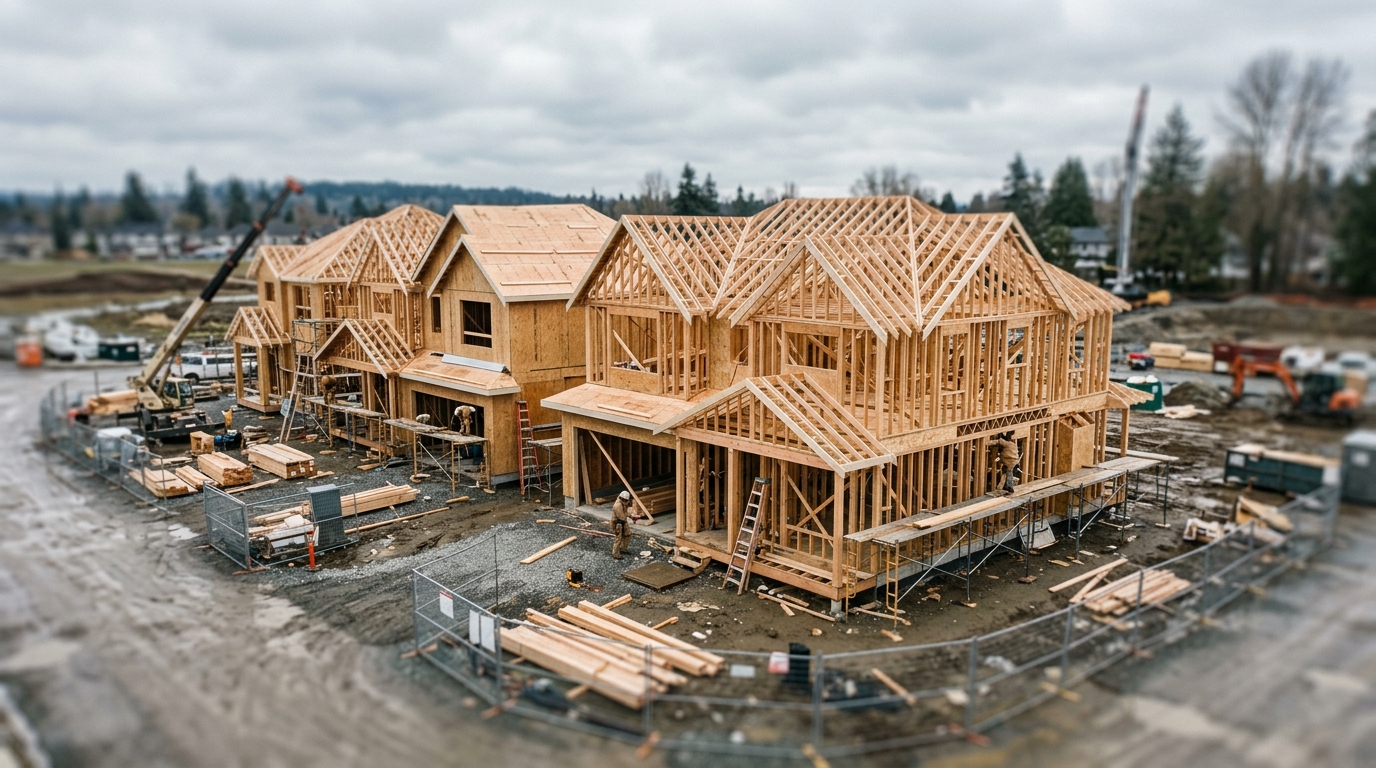
Why the 30-Year Mortgage Rate 7 Percent Mark Divides Housing
With the 30-year mortgage rate 7 percent threshold back in focus, surging yields stall resale inventory while builders lean heavily on rate buydowns.
-

Treasury Yield Spike: Impact on Stocks and Fed Rate Cuts
Resilient labor data fuels a modest Treasury yield spike, cooling Fed rate cut expectations while keeping broader stock market valuations largely stable.
-

FOMC SEP Rate Path Repricing: Parsing Fed Projections
Analyze the FOMC SEP rate path repricing as late-2026 policy records reveal internal committee debate, baseline rate decisions, and shifting projections.
-

Fed 4.1% Projected Rate Floor: Real Estate Impact Explained
Analyze the Fed 4.1% projected rate floor real estate impact as prolonged borrowing costs complicate over $1.5 trillion in commercial debt maturities.
-

10-Year Treasury Yield at 5.00%: Real Estate Impact
With the 10-Year Treasury Yield at 5.00%, mortgage rates cross 7.00%, lifting borrowing costs and constraining residential and commercial real estate.
-

10-Year Treasury Yield 5%: Impact on Stock Valuations
As the 10-Year Treasury Yield 5% benchmark approaches, rising discount rates test equity valuations and compress risk premiums across global stock markets.
-

Unemployment Expectations & Consumer Discretionary Margins
Rising household unemployment expectations could squeeze consumer discretionary margins as cautious shoppers reduce non-essential retail spending in 2026.
-

Shelter Inflation Deceleration and Multifamily NOI Trends
Analyze shelter inflation deceleration and multifamily NOI as operators turn to unit renovations to counter operating costs and debt refinancing limits.
-

Mortgage Rates Hit Multi-Week Highs in September 2026
US 30-year fixed mortgage rates reached multi-week highs in September 2026 as stronger payroll data altered Federal Reserve interest rate forecasts.
-

Fed Hike Repricing After Strong August Jobs Data Shifts
Explore how Fed hike repricing after strong August jobs data impacts equity valuations, discount rates, and corporate earnings across US financial markets.
-

Managing CRE Refinancing and Mortgage Rate Floor Shifts
Rising sovereign yields impact CRE refinancing and mortgage rate floor trends, compressing debt coverage ratios and slowing transaction volume across markets.
-

Hawkish Fed Pause and Jobless Claims: Equity Valuation Risks
With steady jobless claims, a hawkish Fed pause pressures equity valuation as sticky inflation and rising discount rates weigh on future corporate earnings.
-

Multifamily Rent Disinflation and Cap Rates: Impact on Yields
Explore how multifamily rent disinflation and cap rates impact property yields, debt refinancing risks, and net operating income across U.S. markets.
-
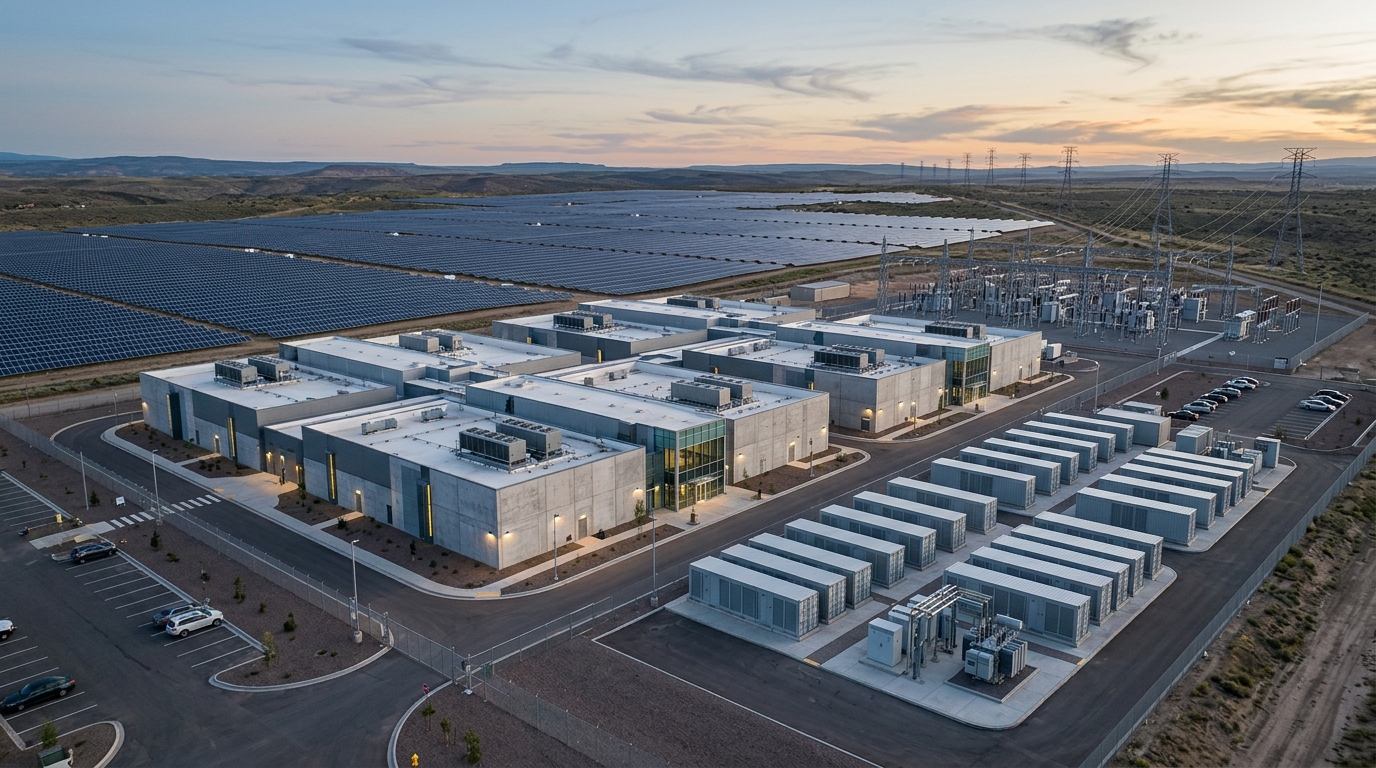
AI Infrastructure CapEx Supply Bottlenecks Reshape Energy
Grid constraints fuel AI infrastructure CapEx supply bottlenecks, pushing tech hyperscalers toward direct energy ownership and utility-scale solar projects.
-

Fed Rate Cut Pricing and Equity Market Transmission Explained
Analyze Fed rate cut pricing and equity market transmission to see how floating debt exposure drives performance divergence between small and large caps.
-

Commercial Real Estate Refinancing: The 2026-2027 Outlook
As over $1.5 trillion in debt matures through 2027, commercial real estate refinancing faces persistent challenges from higher long-term rates and equity gaps.
-

Shelter Inflation and Multifamily Rent Deceleration
Explore shelter inflation and multifamily rent deceleration through recent REIT earnings, revealing regional supply impacts and cash flow trends.
-

Energy Shock Equity Margin Compression: Market Impacts
Rising fuel costs drive energy shock equity margin compression across corporate sectors as elevated inflation delays rate cuts and impacts stock valuations.
-

September FOMC Rate Hike Repricing: Key Market Drivers
A rare Fed voting split and sticky energy prices drive the September FOMC rate hike repricing, pushing market expectations toward higher policy tightening.
-

Evaluating FOMC Rate Hike Odds and CRE Refinancing Risks
Explore how shifting FOMC rate hike odds and CRE refinancing pressures collide as commercial borrowers face higher debt maturities through 2027.
-

U.S. Housing Affordability and Rate Risk as Supply Grows
As new home inventory climbs and builder backlogs grow, housing affordability and rate risk shape the shifting dynamics of the U.S. residential market.
-

Multifamily Rent Growth Deceleration Pressures Landlords
Surging apartment supply causes multifamily rent growth deceleration, squeezing landlord earnings as REITs look to future construction drops for margin relief.
-

August Payrolls Fed Hike Risk Grows After Jobs Surprise
A surprise jobs surge has heightened the August payrolls Fed hike risk, lifting rate expectations and Treasury yields amid steady inflation and demand.
-

August Payrolls and Fed Hike Odds: Impact on Markets
Analyze August payrolls and Fed hike odds as resilient labor data and 162,000 added jobs shift monetary policy expectations without guaranteeing a rate rise.
-

AI Datacenter Capex Inflation Strains Grid Equipment
Rising AI datacenter capex inflation strains power grid manufacturing, extending transformer lead times past three years and crowding out industrial buyers.
-

Tech Growth Masks US Housing and Commercial Real Estate Risks
Tech-driven economic growth is masking underlying structural risks and inflationary pressures facing US Housing and Commercial Real Estate as costs rise.
-

How Recent Fed Policy Shifts Influence Tech Stock Valuations
Discover how recent shifts in Fed Policy aim to manage supply shocks and inflation expectations, potentially stabilizing valuations for technology stocks.
-

Fed Inflation Tolerance Real Estate: Strategic Shifts
Explore how Fed inflation tolerance real estate trends impact investors. As policymakers look past supply shocks, property valuations face new dynamics.
-

Consumer Spending & Macro Indicators: Retail Margin Squeeze
Rising inflation in mid-2026 signals a retail margin squeeze. Discover how shifting consumer spending & macro indicators impact US equity market trends.
-

The Impact of AI on Data Centers and Commercial Real Estate
Artificial intelligence is transforming commercial real estate. Discover how power constraints and grid access are driving the demand for modern Data Centers.
-

Gig Economy & Consumer Discretionary: Sector Trends
Explore how inflation, gas prices, and regulations impact the intersection of the Gig Economy & Consumer Discretionary sectors and platform worker earnings.
-

How AI Infrastructure Capex Sustains US Economic Growth
Explore how surging AI Infrastructure Capex sustains US GDP growth, drives data center demand, and shifts utility operations amid a bifurcated equity market.
-

AI Infrastructure CRE: The Shift in Commercial Real Estate
Explore how AI Infrastructure CRE is reshaping commercial real estate. As consumer spending cools, institutional capital shifts toward data center development.
-

How OBBBA Fiscal Stimulus Impacts U.S. Equities in 2026
Explore how the proposed OBBBA legislation acts as Fiscal Stimulus for U.S. equities in 2026, influencing corporate earnings, taxes, and Treasury yields.
-

Elevated 10-Year Yields Keep Fixed Mortgage Rates High
Federal Reserve rate cuts will lower short-term borrowing costs, but elevated 10-year yields will likely keep 30-year fixed mortgage rates stubbornly high.
-

How Quantitative Tightening MBS Impacts Real Estate Costs
Examine how Federal Reserve policies and Quantitative Tightening MBS affect real estate capital costs, mortgage spreads, and borrowing dynamics for investors.
-

How Quantitative Tightening Impacts the Stock Market
Discover how the Federal Reserve's shift to Quantitative Tightening impacts stock market liquidity, capital scarcity, and broader equity repricing trends.
-

TBAC Q2 2026: Treasury Borrowing Strategy & Equity Impacts
Explore the TBAC Q2 2026 updates to understand how the U.S. Treasury's decision to maintain constant coupon issuance sizes supports equity market liquidity.
-

Fed Funds Rate Stabilization: A New Real Estate Baseline
The April 2026 Fed decision marks a new era of Fed Funds Rate Stabilization. Learn how this steady cost of capital impacts real estate investors and mortgages.
-

Commercial Real Estate & Housing: Macroeconomic Trends
Explore how cooling labor markets and Federal Reserve rate cuts are impacting Commercial Real Estate & Housing amid global macroeconomic shifts in late 2025.
-

2026 Equities: Consumer Spending & Inflation Outlook
Analyze how Consumer Spending & Inflation, alongside AI investments and new tariffs, will shape US equity markets and 2026 economic growth projections.
-

How the Treasury Yield Spike Impacts Real Estate Valuations
A recent Treasury Yield Spike driven by geopolitical inflation pushed mortgage rates to 6.57%, creating new hurdles for residential and commercial real estate.
-

How Rising Treasury Yields Impact U.S. Capital Markets
Explore how the recent surge in Treasury Yields past the 5% threshold is shifting investor focus from growth equities toward defensive value stocks.
-

The Warsh Fed Nomination: Shifts in US Monetary Policy
The Warsh Fed Nomination signals a shift toward conservative US monetary policy. Discover how this impacts market liquidity amid a 3.8% headline CPI reading.
-

How a Kevin Warsh Fed Chair Impacts Commercial Real Estate
The expected Kevin Warsh Fed Chair nomination signals a hawkish policy shift. Learn how steady interest rates impact commercial real estate refinancing risks.
-

What the Fannie/Freddie MBS Proposal Means for Housing
The recent Fannie/Freddie MBS Proposal aims to expand mortgage-backed securities purchases, acting as targeted liquidity to stimulate the U.S. housing market.
-

Evaluating the $200 Billion Agency MBS Purchase Impact
The proposed $200 billion Agency MBS Purchase functions as targeted relief for the housing market, aiming to lower mortgage spreads amid restrictive policies.
-

Navigating the Corporate Debt Wall in Equity Markets
Prolonged high interest rates have created a Corporate Debt Wall. Learn how energy-driven inflation and margin compression affect US equity market performance.
-

How the Lock-In Effect Shapes the Spring 2026 Housing Market
While slowly easing, the mortgage Lock-In Effect continues to shape the spring 2026 housing market amid rising energy inflation and limited home inventory.
-

Private Credit Regulation: The Federal Reserve's 2026 Shift
The Federal Reserve's 2026 Financial Stability Report signals a major pivot in Private Credit regulation, impacting BDCs and alternative asset markets.
-

How Residential Valuations Impact U.S. Housing Liquidity
The Federal Reserve reports that stretched Residential Valuations and elevated mortgage rates are creating liquidity constraints in the U.S. housing market.
-

S&P 500 Q1 2026 Earnings: Analyzing Corporate Resilience
Analyze the S&P 500 Q1 2026 Earnings season, highlighting how corporate resilience and AI investments drove growth despite Federal Reserve rate uncertainty.
-

How the 2026 Fed Stress Tests Impact Bank Capital Returns
The finalized 2026 Fed Stress Tests introduce severe macroeconomic shocks and freeze capital buffers, limiting bank dividend growth and shareholder returns.
-

CRE Refinancing Risk: Fed Stress Tests & 2026 Maturities
Explore how Federal Reserve stress tests and the 2026 maturity wall are increasing CRE refinancing risk, impacting liquidity and commercial real estate lending.
-

10-Year Treasury Yield: Impact on the 2024 Housing Market
Explore how a structurally elevated 10-Year Treasury Yield affects the housing market. The Federal Reserve's rate pause creates new affordability challenges.
-

The Impact of a Kevin Warsh Fed Chair on Real Estate
Explore how a potential Kevin Warsh Fed Chair term could alter real estate markets. His hawkish stance on quantitative tightening may keep mortgage rates high.
-

Assessing the Risk of a Private Credit AI Contagion
Analysts project a hypothetical scenario where corporate hiring delays due to AI adoption could trigger a Private Credit AI Contagion in US debt markets.
-

Analyzing the 30-Year Treasury 5% Impact on US Equities
Explore how a hypothetical 30-Year Treasury 5% yield could alter US equity valuations, narrow risk premiums, and shift Federal Reserve rate expectations.
-

How the 30-Year Treasury 5% Yield Threshold Impacts Stocks
Explore how a hypothetical 30-Year Treasury 5% yield threshold alters the risk-reward calculus, impacts tech stock valuations, and shifts Fed policy.
-

Mortgage Rates 2026 Outlook: Navigating the Fed Pause
Explore the Mortgage Rates 2026 Outlook as the Federal Reserve holds rates steady. Discover how global energy prices impact housing affordability this year.
-

Federal Reserve April 2026 Meeting: Rate Hold Scenario
Explore a projected Federal Reserve April 2026 Meeting scenario where the FOMC holds rates at 3.5% to 3.75% amid sticky inflation and labor uncertainty.
-

Fed Rate Hold: Navigating Earnings and Multiple Compression
The recent Fed Rate Hold signals a higher-for-longer regime. Learn how sticky inflation and market bifurcation affect S&P 500 earnings and equity multiples.
-

How the Fed Rate Hold Creates a Real Estate Market Divide
The recent Fed Rate Hold creates a real estate divide. Residential supply remains frozen, while commercial markets face rising debt and distressed assets.
-

Higher for Longer Rates: Impact on US Equity Markets
The Federal Reserve's March 2024 decision signals a Higher for Longer interest rate regime. Explore how this impacts small-cap stocks and corporate debt.
-

Fed Stress Test: Regulatory Delays and CRE Market Impacts
The 2024 Fed Stress Test models severe commercial real estate risks, acting as an indirect tightening mechanism amid ongoing regulatory delays until 2026.
-

2026 Fed CRE Stress Test: Regulatory Shifts & Market Impacts
The 2026 Fed CRE Stress Test introduces strict capital requirements and freezes prior buffers to prevent gaming, shifting lending to private credit markets.
-

FOMC Division: How a 10-Year Yield Spike Alters Real Estate
Explore how a hypothetical FOMC fracture and a projected 10-Year Yield Spike could reprice long-term debt costs and affect mortgage rates in real estate.
-

FOMC Dissent: Navigating the Fed's Historic Policy Fracture
The April 2026 meeting revealed historic FOMC Dissent, signaling a fractured policy regime. Discover how this uncertainty impacts yields and growth stocks.
-

How U.S. Tariffs Are Repricing Equity Markets Ahead of 2026
Explore how anticipated 2026 U.S. tariffs are shifting capital from import-heavy retail stocks to domestic producers amid inflation and market volatility.
-

Understanding Warsh Mortgage Spreads in US Real Estate
Examine how a potential Federal Reserve leadership transition influences Warsh mortgage spreads, affecting US real estate valuations and borrowing costs.
-

Kevin Warsh Forward Guidance and the New Fed Regime
Discover how shifts in Kevin Warsh forward guidance could reshape Federal Reserve policy, influence stock market risks, and alter future interest rate paths.
-

US-Iran Conflict & Tech Correction: Equity Market Impacts
Analyze the projected US-Iran Conflict & Tech Correction, exploring how a Strait of Hormuz closure could drive inflation and reset equity market valuations.
-

Navigating the Tariff Inventory Whiplash in Q2 Earnings
Understand how the Tariff Inventory Whiplash impacts Q2 earnings. Front-loaded Q1 imports may create an inventory overhang for retail and logistics stocks.
-

Navigating Higher-for-Longer Rates in 2026 Real Estate
Explore how the Fed's Higher-for-Longer Rates policy affects the 2026 real estate market, balancing elevated borrowing costs with resilient housing demand.
-

Fed Delayed Rate Cuts Real Estate Market Refinancing Risks
The Fed delayed rate cuts real estate markets expected, shifting temporary liquidity issues into structural refinancing challenges for commercial properties.
-

How the OBBBA Fiscal Stimulus Impacts U.S. Equity Markets
Explore how the OBBBA fiscal stimulus impacts U.S. equities by preventing a $4 trillion tax increase while shifting deficit levels and Treasury issuance.
-

How the Fed CRE Stress Test Impacts Commercial Property
The upcoming Fed CRE Stress Test models a 40 percent decline in property values, requiring banks to increase capital buffers and impacting credit availability.
-

Understanding the Cycle of CRE Refinancing Defaults
As the Federal Reserve holds interest rates steady, the extend-and-pretend era ends. Learn how this shift drives a cycle of CRE Refinancing Defaults by 2026.
-

How the Fed Easing Pause Fractures US Equity Markets
The unexpected Fed Easing Pause in March 2026 has created a divergence in US equities, leaving leveraged small-cap stocks facing severe refinancing risks.
-

The Fed Independence Crisis: US Equity Market Impacts
The ongoing Fed Independence Crisis introduces new institutional risk premiums to US equity markets as executive and central bank tensions continue to grow.
-

Data center CRE and grid constraints reshape valuations
Data center CRE and grid constraints are reshaping property valuations. Discover why energy access now dictates commercial real estate development timelines.
-

Zero Labor Growth: AI and Productivity in Corporate Strategy
As the U.S. enters a period of Zero Labor Growth, corporate expansion must rely on AI and productivity gains instead of traditional workforce hiring cycles.
-

Oil Shock Sector Rotation: Impact on US Equities in 2026
Explore how rising crude prices and stagflation are driving an Oil Shock Sector Rotation out of growth stocks and into energy and value equities in early 2026.
-

How Migration Drop and Long-Term Yields Impact Real Estate
Analyze how the Migration Drop and Long-Term Yields are reshaping U.S. real estate by constraining construction labor and impacting investment strategies.
-

How Fed Stress Tests Impact the Agency MBS Market in 2026
Explore how the Federal Reserve's 2026 stress test scenarios influence bank balance sheets and shape institutional demand in the Agency MBS market.
-

How AI Capex and Tariffs Will Shape 2026 U.S. Equities
How AI Capex and Tariffs will fracture the 2026 U.S. equity market: tech firms gain from investments while traditional sectors face 15% global tariffs.
-

2026 MBS Stress Test: Fed Capital Rules and Mortgage Rates
The Federal Reserve's 2026 MBS Stress Test maintains current capital buffers for 32 banks, potentially easing consumer mortgage rates in the housing market.