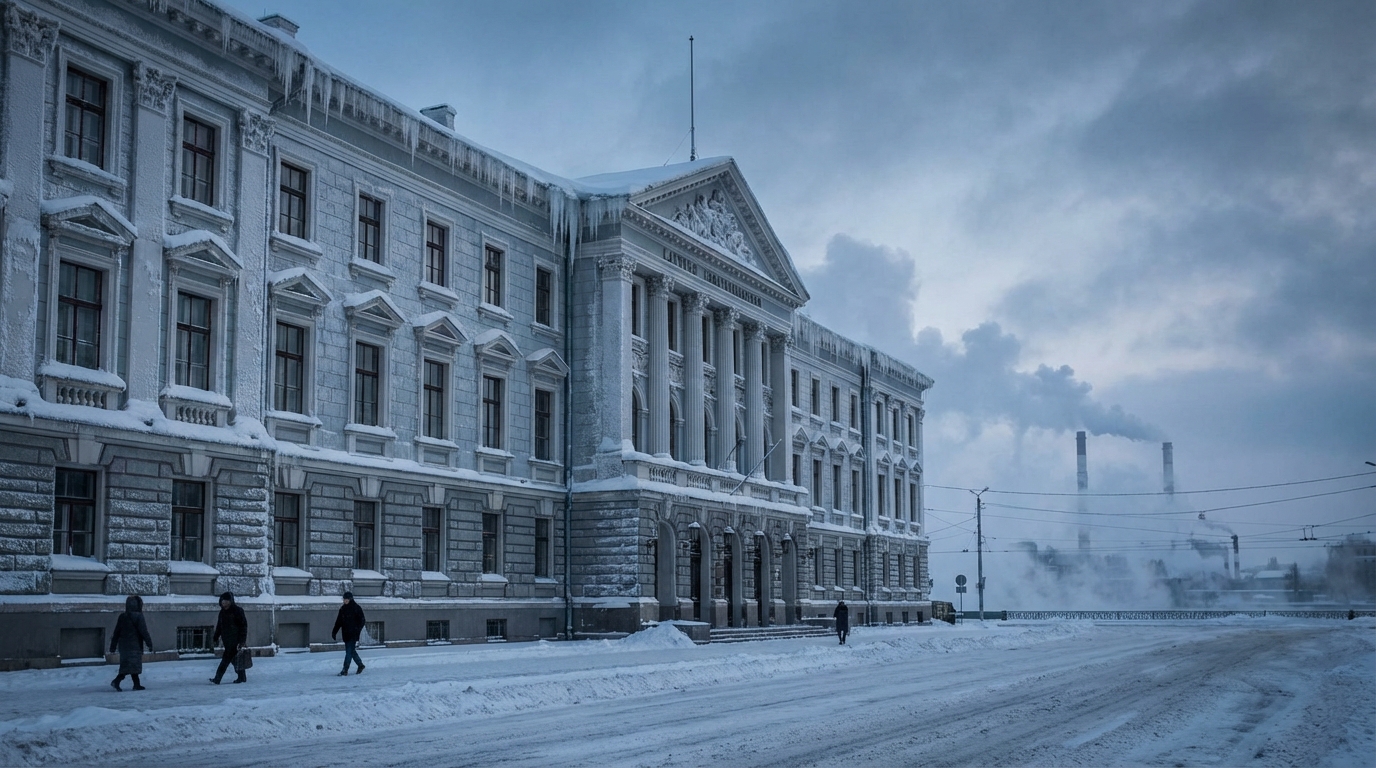
Latvia and the 2026 Energy Crisis: A Diplomatic Shift
It is February 2026, and the geopolitical temperature in the Baltic region has dropped as precipitously as the mercury in the thermometer. For years, the strategic stance of the Baltic nations was defined by an unyielding wall of ice toward the East, a moral and political blockade that seemed impervious to economic fluctuation. However, a convergence of meteorological brutality and energy scarcity is currently reshaping the landscape. Latvia, along with its northern neighbor Estonia, finds itself at the epicenter of a crisis that is forcing a re-evaluation of principles once thought immutable. The biting cold of this specific winter has done what years of political pressure could not: it has frozen the idealism of total decoupling and exposed the raw nerves of logistical necessity.
TL;DR
- The Crisis: A historically harsh winter in 2026 has overwhelmed energy infrastructure in the Baltics, making total isolation from Russian resources increasingly untenable.
- The Political Rift: Leaders in Estonia and Latvia are clashing internally, split between maintaining a hardline NATO stance and addressing immediate domestic heating needs.
- The Solution: The EU is proposing a diplomatic mission led by former Finnish President Sauli Niinist to reopen communication channels with Moscow.
- The Concession: Diplomatic pragmatism is forcing a reluctant return to using the Russian language in high-level talks, a significant cultural and political reversal.
- The Stakes: The unity of the European eastern flank is fracturing under the weight of survival economics.
The Geopolitics of a Deep Freeze in Latvia
The narrative of the last decade was one of diversification. The Baltic states worked tirelessly to untether their power grids and supply chains from the Russian Federation. Yet, the winter of 2026 has proven to be an adversary that respects no borders and acknowledges no treaties. According to recent reports, the sheer intensity of the cold has drained reserves and strained the alternative supply routes that were supposed to guarantee independence. This is not merely a matter of comfort; it is a matter of national security and survival.
In Latvia, the situation is particularly acute. The government faces a populace that is supportive of sovereignty but weary of the economic toll exacted by extreme energy prices. As noted in recent analysis regarding the region’s climate impact, the harsh winter is the primary driver behind the sudden willingness to establish ties with Russia. The report highlights that the physical reality of freezing temperatures has bypassed ideological debates, forcing leaders to look East not out of affection, but out of a desperate need to keep the lights on and the radiators running. The irony is palpable: the very resources Latvia spent years rejecting are now the only immediate solution to a humanitarian crisis.
Fractures in the Northern Wall
The shift is not occurring without significant political casualties. In Tallinn, the debate has moved from parliamentary discussions to open conflict among leadership. The unity that once characterized the Baltic response to Russian aggression is showing hairline fractures. Reports indicate that Estonian leaders are clashing violently over calls for European talks with Putin. The “pragmatist” wing argues that a frozen population cannot defend democracy, while the “idealist” wing views any conversation with Moscow as a capitulation that undermines years of NATO strategy.
This internal discord is dangerous. It signals to adversaries that the European front is not monolithic. If Estonia and Latviathe traditional hawks of the EUare wobbling, it provides an opening for the Kremlin to exert leverage without firing a shot. The weaponization of winter has proven effective. The political cost of this pivot is immense; governments that campaigned on strength and independence are now forced to explain why they are considering picking up the phone to the Kremlin.
Comparison Table: Strategic Options for the Baltics (Winter 2026)
The following table outlines the divergent paths currently available to policymakers in Riga and Tallinn as they navigate this crisis.
| Option | Best for | Pros | Cons | Cost/Impact |
|---|---|---|---|---|
| Strict Isolationism | Maintaining moral high ground and NATO alignment. | Preserves diplomatic integrity; denies Russia leverage; maintains Western solidarity. | High risk of domestic unrest due to freezing conditions; potential grid failure; economic collapse. | Extreme economic cost; potential humanitarian crisis. |
| Bilateral Engagement | Immediate relief for specific national energy needs. | Quickest route to energy stabilization; direct control over negotiations. | Shatters EU unity; exposes individual nations to Russian coercion; political suicide for hawks. | High political cost; loss of leverage in Brussels. |
| EU-Led Mediation | Balancing survival with collective security. | Spreads the political risk; utilizes experienced diplomats (e.g., Niinist); keeps the bloc united. | Slow process; compromise is inevitable; Russia may demand unsavory concessions. | Moderate political cost; stabilized energy prices. |
The Return of the Russian Language
Perhaps the most symbolic aspect of this 2026 thaw is the linguistic shift. For years, the use of the Russian language in official Baltic business was systematically reduced, viewed as a relic of occupation. However, necessity speaks its own tongue. Observers have noted that as the EU scrambles to find a mediator capable of bridging the gap, they have remembered the Russian language as a tool of diplomacy rather than a weapon of culture war.
The proposal to send former Finnish President Sauli Niinist to meet with Putin is a testament to this new reality. Niinist, known for his past ability to maintain a working relationship with Moscow while firmly anchoring Finland in the West, represents the “Niinist Doctrine” of pragmatic survival. The EU’s desire to deploy him suggests a recognition that the era of silence has failed to keep the heat on in Baltic homes. This move validates the Russian language’s utility in high-stakes negotiation, a bitter pill for nationalists in Riga who have spent the last decade promoting linguistic purity.
Pros and Cons of the “Niinist Option”
The decision to engage via a high-profile envoy carries significant risks and potential rewards.
Pros:
- Crisis Mitigation: Immediate de-escalation could restore energy flows and stabilize the power grid before the winter deepens further.
- Unified Front: Sending an EU-backed envoy like Niinist prevents Latvia or Estonia from having to cut side deals, preserving a semblance of European unity.
- Experienced Mediation: Niinist possesses a deep understanding of the Kremlin’s psychology, potentially avoiding the traps that inexperienced diplomats might fall into.
- Humanitarian Relief: Alleviates the suffering of the civilian population facing sub-zero temperatures without adequate heating.
Cons:
- Propaganda Victory: The Kremlin will undoubtedly spin this as the West coming to beg for warmth, boosting domestic support for the Russian regime.
- Erosion of Sanctions: Any deal will likely require the easing of specific economic sanctions, weakening the overall containment strategy.
- Internal Instability: As seen in the clashes among Estonian leaders, this move could topple coalition governments in the Baltics that are built on anti-Russian platforms.
- Slippery Slope: Re-establishing ties for energy could lead to dependencies in other sectors, undoing years of diversification efforts.
The Atlantic Rift and Future Implications
The United States is watching these developments with growing concern. Search traffic and interest in the region have spiked, as seen in data tracking US interest in Latvia, reflecting anxiety that the “Baltic Wall” is crumbling. Washington has long relied on the Baltics to be the most vocal proponents of containment. If Riga and Tallinn soften their stance due to the winter crisis, the entire architecture of Eastern European security shifts.
The implications extend beyond this winter. If the EU successfully negotiates a thaw, it sets a precedent that resource scarcity overrides geopolitical morality. This could embolden other nations to seek similar accommodations. Furthermore, the internal clashes in Estonia suggest that the consensus on Russia is not as ironclad as previously thought. The harsh winter of 2026 may be remembered not just for the snow, but as the moment when the ice in diplomatic relations began to melt out of sheer necessity.
FAQ
Q: Why are Latvia and Estonia considering talks with Russia now? A: The primary driver is the historically harsh winter of 2026. The extreme cold has overwhelmed energy reserves and infrastructure, creating a humanitarian need that outweighs previous diplomatic isolation policies.
Q: Who is Sauli Niinist and why is he involved? A: Sauli Niinist is the former President of Finland. He is being floated as an EU envoy because of his past experience in maintaining pragmatic dialogue with Vladimir Putin, making him a suitable mediator for this crisis.
Q: Does this mean the Baltic states are leaving NATO? A: No. The move toward talks is driven by economic and humanitarian necessity (energy survival), not a desire to leave the military alliance. However, it does create friction within the alliance regarding the strategy of containment.
Q: How are local politicians reacting to this shift? A: Reactions are volatile. In Estonia, leadership is clashing openly, with significant infighting between those who prioritize ideological firmness and those prioritizing immediate survival needs.
Conclusion
The winter of 2026 has delivered a cold reality check to the Baltic region. While the desire for independence remains strong, the physics of energy consumption and the brutality of the climate have forced a recalibration of strategy. Latvia stands at a crossroads, forced to choose between the purity of its geopolitical stance and the warmth of its citizens. As the EU prepares to send envoys and rediscovery the utility of the Russian language, it is clear that the freeze in relations can only last as long as the fuel reserves hold out. The thaw is coming, not from the sun, but from the heat of necessity.