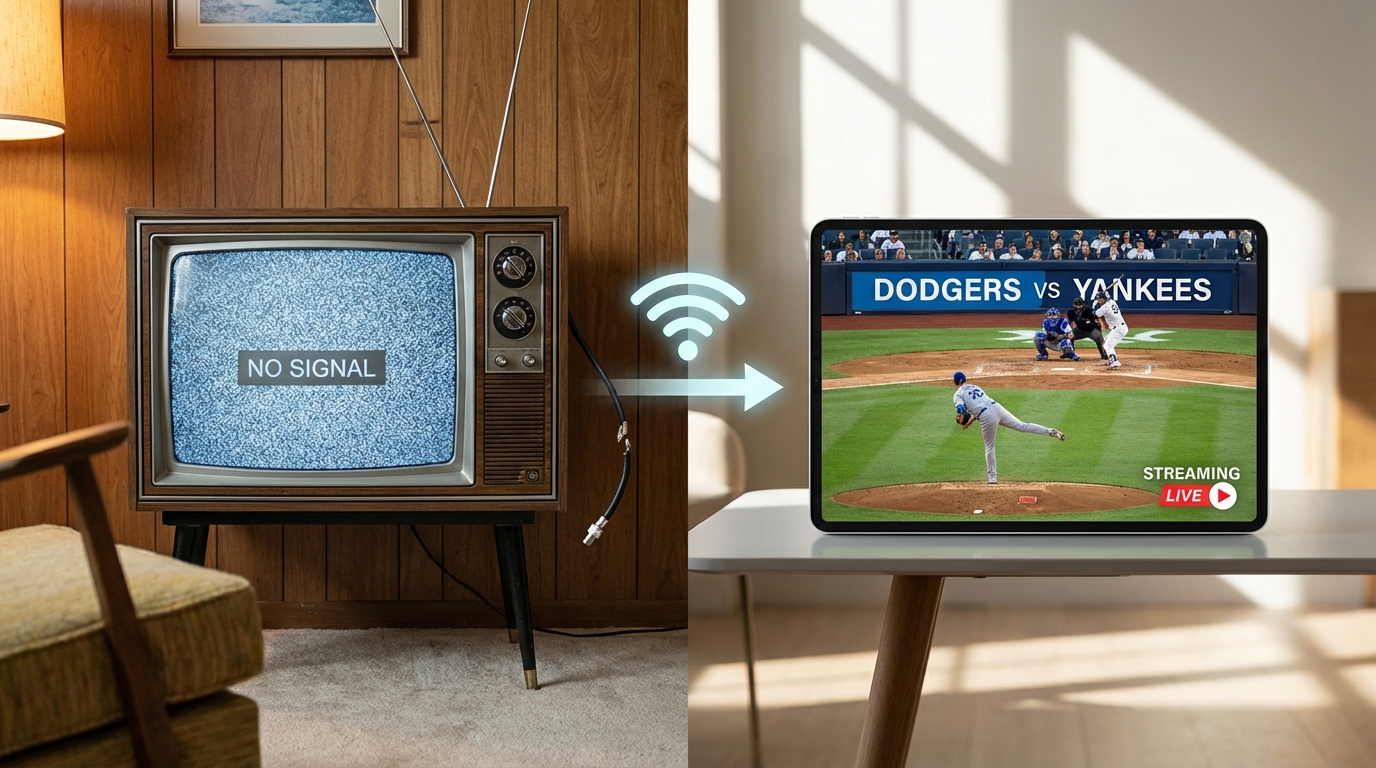
Detroit Tigers Shift to MLB Broadcast Model for 2025 Season
For years, the most loyal fans of the Detroit Tigers have found themselves locked in a frustrating game of cat and mouse with their own television screens. The regional sports network (RSN) model, once the golden goose of sports revenue, slowly curdled into a consumer nightmare defined by carriage disputes, blackouts, and the cumbersome necessity of expensive cable bundles. However, the tectonic plates of sports media have finally shifted in Michigan. In a move that signals the definitive end of the Diamond Sports Group era in Detroit, the Tigersalong with their Ilitch Sports + Entertainment siblings, the Red Wingshave opted for a radical new broadcast strategy.
By handing the keys to Major League Baseball (MLB), the organization is not just changing the channel; they are dismantling the paywall that has alienated a generation of cord-cutters. This is not merely a business transaction; it is a liberation of local sports rights that promises to reshape how Detroit consumes its pastime.
TL;DR
- The Split: The Detroit Tigers and Red Wings have officially left Diamond Sports Group (FanDuel Sports Network).
- New Producer: MLB will produce and distribute Tigers games starting with the 2025 season.
- Expanded Reach: The broadcast territory will grow to cover roughly 3.1 million households, up from 1.9 million.
- Streaming: A new direct-to-consumer (DTC) streaming app will allow fans to watch in-market games without a cable subscription.
- No Blackouts: The new model is designed to eliminate local blackout restrictions for streaming subscribers.
The Collapse of the RSN Model
The writing has been on the wall for Diamond Sports Group (DSG) for some time. Operating under bankruptcy protection, the parent company of the Bally Sports networks (recently rebranded as FanDuel Sports Network) has been shedding contracts and restructuring debt in a desperate bid for survival. For the Ilitch organization, the uncertainty became untenable. According to WXYZ, the Tigers are officially leaving the FanDuel Sports Network ecosystem, a move that was precipitated by DSG’s ongoing financial instability and the rejection of rights contracts.
This is a scenario that has played out across the country, but its impact in Detroit is particularly acute. The RSN model relied on forcing cable providers to pay high carriage fees, costs that were passed down to consumers whether they watched baseball or not. As cord-cutting accelerated, the revenue model collapsed. The Tigers were left with a partner that could no longer guarantee the distribution or the financial stability the team required. The decision to exit was not just about money; it was about visibility. Under the old deal, huge swaths of the fanbase were simply unable to watch the team legally.
Comparison Table: Broadcasting Eras
| Option | Best for | Pros | Cons | Pricing/Cost |
|---|---|---|---|---|
| Old Model (Diamond/FanDuel) | Traditional Cable Subscribers | Familiar channel numbers; bundled with other cable perks. | Frequent carriage disputes; local blackouts for streamers; limited reach (1.9M homes). | Expensive (requires full cable/satellite package). |
| New Model (MLB Production) | Cord-Cutters & Streamers | No local blackouts; direct-to-consumer app; wider reach (3.1M homes). | Requires high-speed internet; separate subscription fee for app. | Unknown (likely ~$20/mo based on other markets). |
| National Broadcasts (ESPN/FOX) | Casual Fans | High production value; nationally available. | Only covers select games; not a full-season solution. | Varies by provider. |
Pros and Cons of the New Deal
Pros
- Accessibility: The blackout era effectively ends. If you live in Detroit and pay for the service, you can watch the game.
- Stability: MLB offers a financial and production floor that a bankrupt third-party company cannot.
- Reach: The broadcasts will be available in significantly more homes across the region.
Cons
- Fragmentation: Fans must manage another subscription if they choose the streaming route rather than cable.
- Uncertainty: Pricing for the standalone streaming packages has not yet been announced.
- Change: Traditionalists may need to adjust to new channel locations or apps.
A New Paradigm for Detroit Sports
The partnership between the Tigers, Red Wings, and Major League Baseball represents a fundamental change in philosophy. Under the agreement, MLB will handle the production and distribution of all local games. This is not uncharted territory; MLB has successfully stepped in to produce broadcasts for the San Diego Padres, Arizona Diamondbacks, and Colorado Rockies after their respective RSN deals fell apart.
According to a press release from MLB.com, this arrangement allows the teams to offer a direct-to-consumer (DTC) streaming option. For the first time, a fan living in downtown Detroit can subscribe to a service and stream the Tigers legally without a cable box. This eliminates the archaic blackout rules that were designed to protect cable monopolies that no longer exist in their previous form.
The scale of this expansion is massive. The previous RSN arrangement reached approximately 1.9 million households. The new distribution model is projected to reach nearly 3.1 million households. This expansion is critical for a team looking to rebuild its brand equity after years of rebuilding on the field. You cannot sell a product that people cannot see.
The Mechanics of the Takeover
How does this actually work? MLB has built a robust media arm capable of stepping in almost immediately. They have the cameras, the trucks, and the digital infrastructure. For the Red Wings, this transition begins immediately with the 2024-25 NHL season. For the Detroit Tigers, the new broadcast reality begins with the 2025 season.
It is important to note that this does not mean the games will disappear from linear television. MLB intends to sign agreements with local cable and satellite providers to keep the games on traditional TV dials. The difference is that the exclusivity is gone. As reported by ESPN, MLB’s strategy is to be “platform agnostic.” They want the games on cable, on satellite, and on streaming apps. The goal is ubiquity rather than exclusivity.
This move also safeguards the quality of the broadcast. During the Diamond Sports Group bankruptcy proceedings, there were constant fears about production quality suffering due to budget cuts. By bringing production in-house under the league’s umbrella, the Tigers ensure that the visual product matches the league’s standards. While on-air talent decisions for the future remain a topic of discussion, the infrastructure supporting them will be league-operated.
The Financial Implications
Critics might argue that the team is losing the guaranteed revenue of the old RSN contracts. While it is true that the massive, guaranteed checks from the cable era are likely gone, those checks were already bouncing or being renegotiated in bankruptcy court. The new model relies on a combination of linear carriage fees and direct subscription revenue.
By controlling the rights, the Ilitch organization and MLB are betting on the fans. They are wagering that if they make the product easy to buy, people will buy it. It is a bet on the modern consumer. The previous model relied on non-fans subsidizing sports channels through bloated cable bundles. The new model relies on actual fans paying for the content they want. It is a purer, albeit riskier, market test.
Furthermore, the expanded reach serves as a long-term marketing tool. A kid in a household that cut the cord five years ago may have never seen a Tigers game live on TV. By bringing the games to streaming apps and expanding the linear footprint, the Tigers are re-introducing themselves to a lost demographic.
FAQ
Q: Will I still be able to watch the Tigers on cable? A: Yes. MLB intends to negotiate carriage agreements with local cable and satellite providers (like Xfinity and DirecTV) to keep the games on linear television. You will not be forced to stream if you prefer cable.
Q: How much will the streaming service cost? A: Official pricing for the Detroit market has not been released. However, looking at similar MLB-produced packages for the Padres and Diamondbacks, monthly subscriptions have typically ranged around $19.99, with full-season packages offering a slight discount.
Q: Does this mean blackouts are gone? A: For the streaming package, yes. If you subscribe to the new direct-to-consumer service, you can watch in-market games without blackout restrictions. National exclusives (like Sunday Night Baseball on ESPN) may still be subject to different rules.
Q: When does this start? A: The new broadcasting arrangement begins with the 2025 MLB season for the Tigers. For the Red Wings, it applies to the 2024-25 NHL season.
Conclusion
The era of holding sports fans hostage to preserve an outdated cable model is officially over in Michigan. By partnering with MLB, the Detroit Tigers have chosen a path of accessibility and modernization. While the transition may have some initial friction as fans learn where to find the games, the ultimate result is a net positive: more households, more options, and the end of the dreaded local blackout. As the team looks to compete on the field in 2025, they have finally ensured that their fans will actually be able to see them do it.