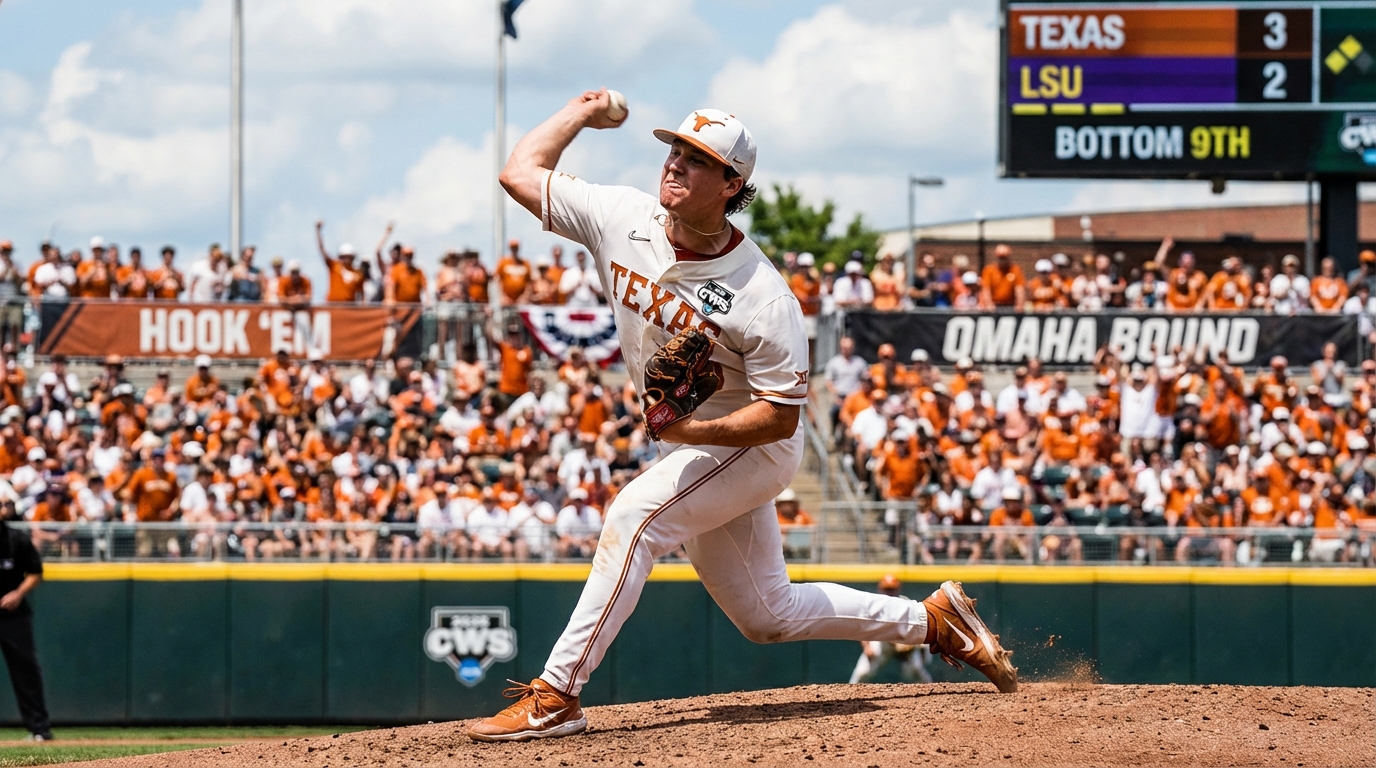
College Baseball 2026: Roster Caps and Revenue Sharing
The 2026 Paradigm: How Money and Roster Caps Are Redefining the Diamond
The crack of the bat sounds the same, but everything else about college baseball has changed. As the first pitch of the 2026 season crossed the plate this February, it signaled more than just the return of America’s pastime at the collegiate level; it marked the beginning of a volatile new era defined by revenue sharing, roster consolidation, and a competitive landscape that looks increasingly like professional free agency. The romantic notion of the scrappy underdog is fading, replaced by a cold, hard calculus of scholarship limits and acquisition budgets.
For decades, this sport operated under the draconian 11.7 scholarship limit, forcing coaches to slice financial aid into fractions to build a team. That era is effectively over. With the implementation of new roster limits and the implications of the House v. NCAA settlement, the 2026 season is the first true test case for a fully professionalized collegiate model. The crowds are larger, the players are wealthier, and the stakes have never been higher.
TL;DR
- Roster Revolution: The shift to a 34-man roster limit has eliminated the traditional walk-on, forcing coaches to make brutal cuts and prioritize proven transfer talent over developmental high school prospects.
- The Haves and Have-Nots: The SEC and Big Ten have widened the gap, leveraging revenue sharing to hoard pitching depth, as evidenced by dominant opening weekend performances.
- Financial Fallout: Mid-major programs are struggling to maintain competitive equity as the cost of retaining a championship-caliber roster skyrockets.
- Talent Concentration: The transfer portal has turned top programs into all-star teams, reducing parity but increasing the overall quality of play in marquee matchups.
- Immediate Impact: Early 2026 results show that teams who adapted early to the new financial model are already separating themselves from the pack.
The New Economics of the Dugout
The most significant storyline of the 2026 preseason is not a specific player’s batting average, but a number: 34. That is the new roster limit, a stark reduction from the bloated rosters of the past that allowed upwards of 40 players. According to a recent forum of coaches reported by The Athletic, this cap has fundamentally altered recruitment strategies. Coaches can no longer afford to carry developmental arms or defensive specialists who might bloom in two years. Every spot on the 34-man roster must contribute immediately.
This contraction comes with a trade-off: the potential for full scholarships. The move toward revenue sharing allows fully funded programs to offer full rides to their entire roster, assuming they have the budget. This has created a fierce bidding war. A program that can only offer partial aid is now defenseless against an SEC powerhouse offering a full scholarship plus name, image, and likeness (NIL) incentives. The result is a consolidation of elite talent at the top of the food chain, leaving smaller conferences to pick through the scraps of the transfer portal.
Comparison Table: Roster Construction Models
| Option | Best for | Pros | Cons | Pricing/Cost |
|---|---|---|---|---|
| The Legacy Model (11.7 Scholarships) | Mid-Majors / Low Budget | Allows for large developmental squads; lower financial barrier for the school. | severe talent drain; players leave for better offers; depth issues. | Low (Tuition waivers + partials) |
| The 2026 Power Model (Full Revenue Share) | SEC / Big Ten / ACC | Attracts elite MLB draft prospects; retains depth; creates “Super Teams.” | Extremely expensive; high pressure to win immediately; zero roster flexibility. | High ($2M+ in scholarship/NIL) |
| The Hybrid Portal Strategy | Big 12 / Top Mid-Majors | Balances high school recruits with veteran transfers to stay competitive. | High turnover rate; difficult to build long-term culture; constant scouting required. | Medium (Varies by market) |
Opening Weekend: A Violent Shift in Power
If the offseason was about spreadsheets and legal settlements, the opening weekend was a display of raw power. The gap between the elite and the rest was visible on the scoreboard. According to NCAA live updates, the top-ranked teams didn’t just win; they suffocated their opponents. The pitching depth displayed by teams like LSU, Tennessee, and Wake Forest was overwhelming. In previous years, a mid-major might catch a powerhouse on a Sunday when the bullpen was thin. In 2026, with 34 scholarship-caliber players, the Sunday starter is often just as lethal as the Friday night ace.
The storylines entering the season predicted this. As noted in ESPN’s preseason coverage, the consolidation of talent meant that preseason favorites were heavier favorites than ever before. We are seeing the “Alabama Football” effect come to the diamonda level of depth that renders upsets statistically improbable over a three-game series. The upsets that did occur were largely driven by veteran teams who utilized the transfer portal to age-up their roster, proving that experience remains the great equalizer against raw talent.
The Death of the Walk-On and the Rise of the Mercenary
Perhaps the most melancholic casualty of the 2026 college baseball landscape is the walk-on. For generations, the sport was defined by the story of the unrecruited kid who earned a jersey and eventually a starting spot. With the roster cap locked at 34, coaches stated in The Athletic’s forum that they simply cannot justify a roster spot for a non-revenue player, regardless of heart or hustle. The risk is too high. If a walk-on isn’t ready to play in the SEC tournament today, he is blocking a spot for a transfer who is.
This has led to a mercenary culture. Loyalty is a luxury few can afford. Players are entering the portal not just for money, but for the guarantee of a roster spot. We are seeing a massive migration of talent downward from Power 4 schools to mid-majorsplayers who were cut from the 34-man rosters of elite teams are now the stars of the Sun Belt and the American Athletic Conference. While this raises the floor of those leagues, it also homogenizes the game. Every team is now a collection of free agents wearing the same laundry.
Pros and Cons of the 2026 Structure
Pros:
- Player Compensation: Athletes are finally receiving full scholarships and revenue shares, reducing the financial burden on families.
- Product Quality: The concentration of talent creates higher-quality matchups and a more polished on-field product for television.
- Transfer Freedom: Players stuck behind depth charts have immediate mobility to find playing time elsewhere.
- Facility Investment: The revenue generation required to fund these rosters is driving a new arms race in stadium and training facility upgrades.
Cons:
- Loss of Tradition: The elimination of walk-ons and the constant roster churn erodes team culture and alumni connection.
- Competitive Imbalance: The financial barrier to entry effectively eliminates 70 percent of Division I programs from realistic national title contention.
- Coaching Burnout: Managing a salary cap, a transfer portal, and a 34-man roster year-round has turned head coaches into general managers with little time for actual coaching.
- Mid-Major Erasure: Historic programs with smaller budgets are being relegated to feeder system status for the Power 4.
The View from the Bleachers
Despite the structural chaos, the fan experience remains electric. Attendance numbers from the NCAA’s opening weekend report suggest that the appetite for the sport has not waned. In fact, the “Super Conference” scheduling has created more marquee matchups earlier in the season. Fans are treated to playoff-atmosphere games in February. The product is faster, the pitchers throw harder, and the hitters are more physical.
However, one must ask: is this sustainable? The financial strain on athletic departments is immense. We are already hearing whispers of non-revenue sports facing cuts to subsidize the baseball and football budgets. The 2026 season is a celebration of excess, but the bill will eventually come due. For now, we watch the best players in the world compete in a system designed to reward the deepest pockets.
FAQ
Q: How has the roster limit changed for the 2026 season? A: The roster limit has been set at 34 players. This is a reduction from previous years where rosters could expand into the 40s. This forces teams to be much more selective, effectively eliminating walk-on spots and requiring every player to be game-ready.
Q: Can schools now offer full scholarships to baseball players? A: Yes. Under the new revenue-sharing and settlement guidelines, schools can offer full scholarships up to the roster limit, provided they have the budget. This replaces the old 11.7 scholarship limit that forced coaches to divide aid among 25 to 30 players.
Q: How does the transfer portal impact the 2026 season? A: The portal acts as a free agency market. With the roster cap, players cut from top programs are flooding mid-majors, while elite mid-major players are being bought by Power 4 schools. It has created a fluid, year-to-year roster construction model similar to professional sports.
Q: Which conferences are benefiting the most from these changes? A: The SEC and Big Ten are the primary beneficiaries. Their massive media rights deals provide the capital necessary to fund full scholarship rosters and aggressive NIL packages, allowing them to stockpile the majority of the nation’s top talent.
Conclusion
The 2026 season will be remembered as the year college baseball lost its innocence and found its market value. The changes detailed in the ESPN preseason analysis and the financial realities exposed by The Athletic have created a sport that is more professional, more lucrative, and more ruthless than ever before. As we move deeper into the season, the separation between the haves and the have-nots will likely grow, but for the fans in the stands, the game remains a beautiful, high-stakes spectacle. The diamond is the same size, but the game is entirely different.