The USA Digital Asset Shift: Treasuries and Regulation
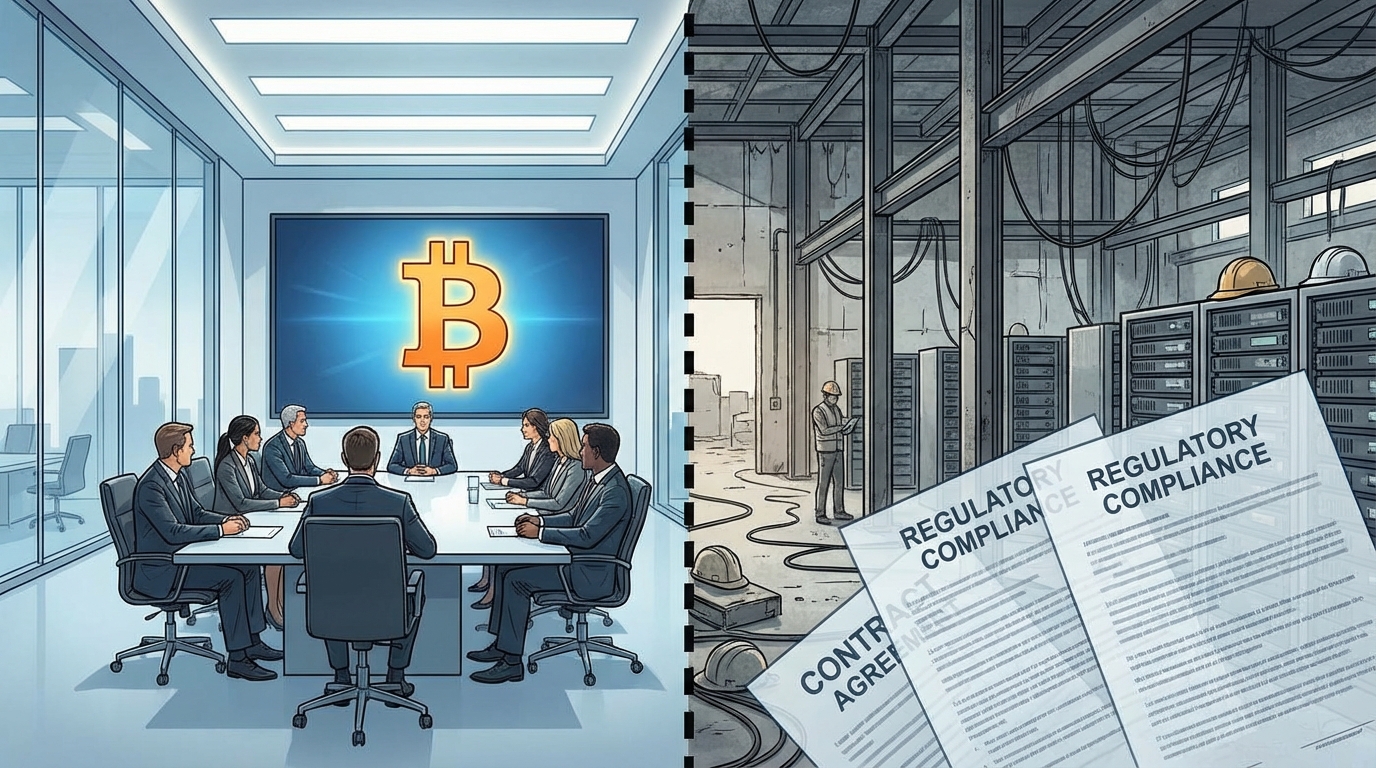
The narrative of digital assets has shifted irrevocably from the speculative fringes of the internet to the polished boardrooms of publicly traded companies. While the global conversation around cryptocurrency often focuses on price volatility, the structural transformation occurring within the usa is far more profound. We are witnessing a bifurcated reality: on one side, a rush by corporations to legitimize Bitcoin as a pristine collateral and treasury reserve; on the other, a grinding war of attrition regarding infrastructure, regulation, and the physical footprint of mining. As inflation concerns linger and the search for yield intensifies, the United States has inadvertently become the primary laboratory for this high-stakes financial experiment.
The Corporate Treasury Pivot
For years, MicroStrategy stood alone as an anomalya software company that effectively converted itself into a Bitcoin holding vehicle. However, the isolation of that strategy is ending. We are seeing a distinct trend where smaller cap firms and forward-thinking enterprises are adopting the “MicroStrategy Playbook.” This is not merely about speculation; it is a calculated hedge against monetary debasement and a method to energize stagnant balance sheets.
According to recent market analysis, the trend of firms mirroring Michael Saylor’s strategy is gaining momentum. As reported by Yahoo Finance, new entrants are stepping into the arena, utilizing capital markets to acquire Bitcoin. This creates a feedback loop: companies issue debt or equity to buy the asset, the asset appreciates, and the company’s valuation rises, allowing for further issuance. In the usa, where capital markets are the deepest in the world, this strategy is particularly potent. It signals that Bitcoin is transitioning from a risk-on tech play to a recognized component of corporate treasury management, challenging the traditional dominance of the dollar and short-term treasuries as the only safe harbors for corporate cash.
This institutionalization changes the market structure. When retail traders buy, they often sell on 20% pumps. When corporations buy for treasury reserves, the time horizon shifts to decades. This supply shock, driven by American corporate entities, is creating a floor for the asset class that did not exist in previous cycles.
Infrastructure Friction and Legal Battlegrounds
While boardrooms discuss accumulation, the physical reality of cryptospecifically miningis facing significant headwinds. The integration of high-performance computing centers and mining facilities into the American power grid is not seamless. It is fraught with zoning disputes, environmental concerns, and political maneuvering.
A prime example of this friction is the situation surrounding Bitdeer. As detailed in recent coverage by CoinDesk, the company is embroiled in a lawsuit involving its Clarington facility. These legal skirmishes are emblematic of a broader struggle in the usa: local municipalities want the tax revenue and economic development associated with tech infrastructure, but often balk at the noise, energy consumption, and lack of massive employment numbers associated with mining farms.
This litigation is not just a local real estate dispute; it is a bellwether for the industry. If mining companies cannot secure stable, long-term operational certainty in the US, the hash ratethe computing power securing the networkcould migrate to jurisdictions with less regulatory oversight but more welcoming energy policies. The outcome of the Bitdeer lawsuit and similar cases will determine whether the US remains a superpower in the physical production of digital blocks or merely a consumer of them.
The Rise of Synthetic Dollars and Index Inclusion
The maturation of the market is also evident in the complexity of the financial products being offered. We are moving beyond simple spot buying into sophisticated yield-generation strategies. The emergence of USDe and its associated ecosystem represents a significant evolution. Unlike traditional stablecoins backed 1:1 by fiat in a bank account, newer iterations are using delta-neutral hedging strategies to generate yield.
The legitimacy of these products is being bolstered by their integration into mainstream financial data streams. The listing of such assets on MSCI indices, as noted in the CoinDesk analysis, is a critical step. MSCI indices are the benchmarks for trillions of dollars in global institutional capital. Inclusion signals to risk managers and asset allocators that these are not merely internet tokens, but investable asset classes with defined risk profiles.
However, this financial engineering introduces new risks. The usa financial system is still grappling with how to regulate these synthetic dollars. Are they securities? Are they commodities? Or are they a new form of banking product? The answers to these questions will likely come from the courts and aggressive enforcement actions before they come from legislative clarity.
The Quantum Horizon
Amidst the immediate concerns of lawsuits and treasury strategies, a more existential threat looms on the horizon: quantum computing. While often dismissed as science fiction, the timeline for quantum capabilities is shrinking. The cryptographic algorithms that secure Bitcoin (and indeed, the entire internet’s banking infrastructure) could theoretically be vulnerable to a sufficiently powerful quantum computer.
Discussions regarding Bitcoin’s quantum resistance are moving from niche forums to serious development circles. The consensus is that the network will need to undergo a soft fork to implement quantum-resistant signatures. This highlights a unique aspect of the digital asset ecosystem: it is software. It can be upgraded. However, the governance required to achieve consensus on such a massive upgrade in a decentralized network is incredibly difficult. The US, being home to both the majority of the world’s quantum research and a significant portion of Bitcoin’s hash rate, will be central to this transition. The race is not just for accumulation, but for the technological hardening of the asset itself.
Strategic Implications for the US Economy
The convergence of these factorscorporate accumulation, infrastructure litigation, and financial product innovationpaints a complex picture for the United States. The country is inadvertently positioning itself as the custodian of the crypto market’s future, even as its regulators attempt to stifle it.
If US corporations continue to absorb the supply of Bitcoin, the geopolitical implications are vast. It would mean that American entities hold the keys to the world’s first neutral reserve asset. Conversely, if regulatory hostility drives infrastructure providers like Bitdeer offshore, the US risks losing the strategic advantage of hosting the network’s physical security.
Furthermore, the integration of crypto into the Bitget news cycle and broader financial media indicates a normalization of the asset class. It is no longer a niche interest; it is a macro variable. The volatility of these assets now ripples through the balance sheets of Nasdaq-listed companies, linking the health of the crypto market directly to the health of the traditional equity market.
Conclusion
The window for regulatory arbitrage is closing, and the era of institutional entrenchment has begun. The United States finds itself at a crossroads. It can embrace the industry, providing clear frameworks for mining and financial products, thereby cementing its status as the financial hub of the digital age. Or, it can continue a policy of enforcement by ambiguity, pushing innovation to the margins.
For investors and observers, the signal is clear: look at what the corporations are doing, not what the regulators are saying. The accumulation of hard assets by US firms suggests a long-term bet on the failure of fiat currency to hold value. The legal battles are merely the growing pains of a new monetary system rooting itself in the soil of the usa. The question is no longer if crypto will survive, but how deeply it will become intertwined with the American economic engine.
Frequently Asked Questions
Q: Why are US companies adopting the “MicroStrategy Playbook”? A: Companies are adopting this strategy to hedge against inflation and diversify their treasury assets. By holding Bitcoin, they aim to protect their purchasing power against the devaluation of the dollar, while also potentially benefiting from the asset’s long-term appreciation.
Q: What is the significance of the Bitdeer lawsuit mentioned? A: The Bitdeer lawsuit represents the conflict between crypto mining infrastructure and local US regulations. It highlights the challenges mining companies face regarding zoning, noise, and energy use, serving as a precedent for how the US will handle the physical footprint of the blockchain industry.
Q: How does the quantum computing threat affect Bitcoin? A: Quantum computers could theoretically break the cryptographic codes that secure Bitcoin wallets. However, developers are already working on quantum-resistant upgrades (soft forks). The threat is considered a long-term engineering challenge rather than an immediate crisis.
Q: What does the inclusion of crypto assets in MSCI indices mean? A: Inclusion in MSCI indices validates digital assets as legitimate investment vehicles. It allows institutional investors, who are often restricted to trading recognized benchmarks, to gain exposure to the crypto market, potentially bringing significant capital inflows.