Miracle on Ice: The Enduring Legacy at the 2026 Winter Games
It is February 2026, and the world is once again turned toward the ice. Yet, amidst the high-definition streams from Milano-Cortina and the algorithmic precision of modern analytics, an analog ghost from 46 years ago is haunting the American consciousness. The miracle on ice has returned, not merely as a highlight reel, but as a cultural force that seems to grow heavier and more significant with every passing Olympiad.
For decades, the story was simple: college kids beat the Soviets. But as we look at the media landscape this month, the narrative has shifted. It is no longer just about hockey; it is about the commodification of hope and the desperate search for a unifying national myth in a fractured era. The boys of 1980 are old men now, yet their shadow over the current games is longer than ever.
The Geopolitical Cauldron and the New Lens
To understand why this specific memory refuses to fade, we must strip away the Disney gloss and look at the grit. In 1980, the United States was suffering from a crisis of confidencehostages in Iran, gas lines, and a presidency in malaise. The Soviet Union was the monolithic villain, and their hockey team was the physical embodiment of their perceived superiority. They were a machine, undefeated in four Olympics, seemingly engineered to dismantle the West on the rink.
Today, a new wave of media is re-examining this context with fresh urgency. A recently released documentary has sparked conversation by stripping away the sports clichs and focusing on the raw psychological warfare of the era. According to a recent NY Post opinion piece, this film argues that the victory did more than win a medal; it fundamentally rewired the American self-image at a moment of severe vulnerability. The documentary suggests that without that surge of optimism, the geopolitical rebound of the 1980s might have looked very different.
This revisionist history is fascinating because it elevates a game to the level of statecraft. In 2026, as we face our own complex web of international tensions, the simplicity of ‘us versus them’ offers a seductive, if nostalgic, escape. We are not just watching a replay; we are mourning a time when victory felt absolute.
Commercializing the Legend: From Lake Placid to Hypebeast
Perhaps the most jarring aspect of the current resurgence is how the aesthetic of 1980 has been co-opted by high fashion and lifestyle branding. The rugged, unpolished look of the Lake Placid gamesthe wool sweaters, the bulky equipmenthas become a goldmine for modern marketers targeting Gen Z and Alpha, generations that weren’t even alive when Mike Eruzione scored the winning goal.
We are witnessing a collision of heritage and hype. Major brands are leveraging the 2026 Winter Games to drop capsule collections that pay homage to the era. As reported by Hypebeast, collaborations involving brands like Michelob Ultra are blending retro ‘shred’ aesthetics with modern streetwear sensibilities. This isn’t just about selling beer or clothes; it is about selling a vibe. The ‘Miracle’ is no longer just a historical event; it is an aesthetic.
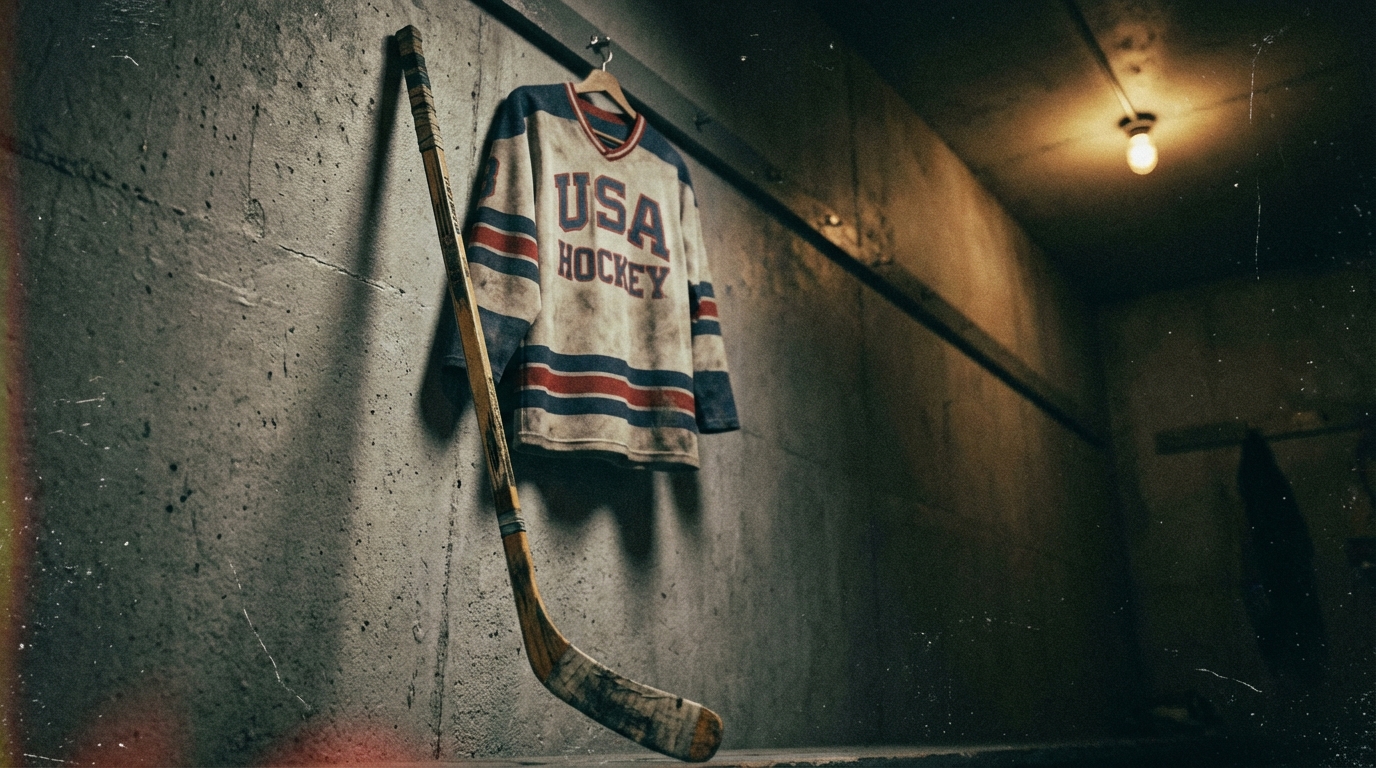
This commercialization raises uncomfortable questions. Does selling $200 retro jerseys dilute the sanctity of what happened in that tiny arena in upstate New York? Or does it ensure that the story survives in a digital age that usually deletes history every 24 hours? The answer likely lies somewhere in the middle. The iconography of the 1980 teamthe white jerseys, the blue fonthas transcended sports to become a symbol of vintage Americana, right alongside the moon landing and Woodstock.
The Human Toll of Immortalization
Amidst the documentaries and the fashion drops, it is easy to forget the human beings at the center of the storm. These were not professional superstars with media training; they were college kids thrown into a geopolitical pressure cooker. The passing of time has been kind to their legend, but it has taken its toll on the roster.
In a touching reflection on the team’s enduring bond, TribLive recounts an afternoon spent with the squad. The writer, Joe Starkey, highlights the palpable absence of Herb Brooks, the architect of the victory who died in 2003. Brooks remains the enigma at the heart of the miraclea man who drove his players to the brink of mutiny so they could find a gear they didn’t know they possessed.
The survivors of that team are now in their late 60s. When they gather, the room is filled not with the arrogance of champions, but with the quiet gratitude of men who realize they were part of a lightning strike. They know they can never replicate it. They know the world has changed too much. In 2026, professional NHL players dominate the Olympic rosters (when allowed), and the idea of a bunch of amateurs toppling a state-sponsored juggernaut is statistically impossible.
This human element is what anchors the story. If it were just about a score, we would have moved on. But it is about the frailty of the memory. Every time we see Eruzione or Craig on TV during these 2026 games, we are reminded that the ‘Miracle’ was a finite moment in time, populated by mortals who just happened to touch the divine for 60 minutes.
The Enduring Legacy of the Miracle on Ice
Why does this specific event hold such a stranglehold on the American imagination nearly half a century later? It is because it represents the last gasp of analog purity in sports. There were no social media influencers on that team. There were no multimillion-dollar endorsement deals waiting for them in the locker room. There was just the ice, the silence of the Cold War winter, and a task that everyone said was impossible.
The 2026 resurgence of interest proves that we are starving for authenticity. We consume the documentaries and buy the retro gear because we want to touch a piece of that authenticity. We want to believe that cohesion, discipline, and belief still matter in a world governed by algorithms and cynicism.
However, we must be careful not to mythologize it to the point of fiction. The 1980 team won because they were better conditioned, better coached, and, for one night, tactically superior. It wasn’t magic; it was work. That is the lesson that often gets lost in the ‘Miracle’ branding. Herb Brooks didn’t ask for a miracle; he asked for sprints. He asked for perfection.
Frequently Asked Questions
Q: Why is the 1980 victory receiving so much attention during the 2026 Olympics? A: The 2026 Winter Games have coincided with the release of high-profile documentaries and fashion collaborations that have reintroduced the event to a younger generation, framing it through modern lenses of geopolitics and style.
Q: Who was the coach of the 1980 US Olympic hockey team? A: The team was coached by Herb Brooks, a disciplinarian known for his innovative hybrid style of play that combined North American physical toughness with European flow and creativity.
Q: Did the US win the Gold Medal by beating the Soviets? A: No, and this is a common misconception. The victory over the Soviet Union was in the medal round (semifinals). The US still had to defeat Finland in their final game to secure the Gold Medal.
Q: How has the perception of the event changed over 46 years? A: While originally viewed as a patriotic sports victory, it is now analyzed as a significant cultural and geopolitical event that helped shift the American mood during the Cold War, and is increasingly commercialized as a lifestyle brand.
Conclusion
As the flame burns in Milano-Cortina, the ghost of Lake Placid watches on. The marketing campaigns and the retrospective films serve a purposethey keep the story alive. But the true power of the miracle on ice lies in its unrepeatability. It stands as a monument to a specific intersection of history, preparation, and chance. In 2026, we may wear the merchandise and stream the documentaries, but we must remember that the miracle wasn’t the gold medal. The miracle was that for a brief moment, a divided nation believed in the same thing at the same time.