AI Datacenter Capex Inflation Strains Grid Equipment
How data center capex is straining the electrical equipment supply chain
How is rapid data center expansion affecting electrical equipment availability and industrial project timelines?
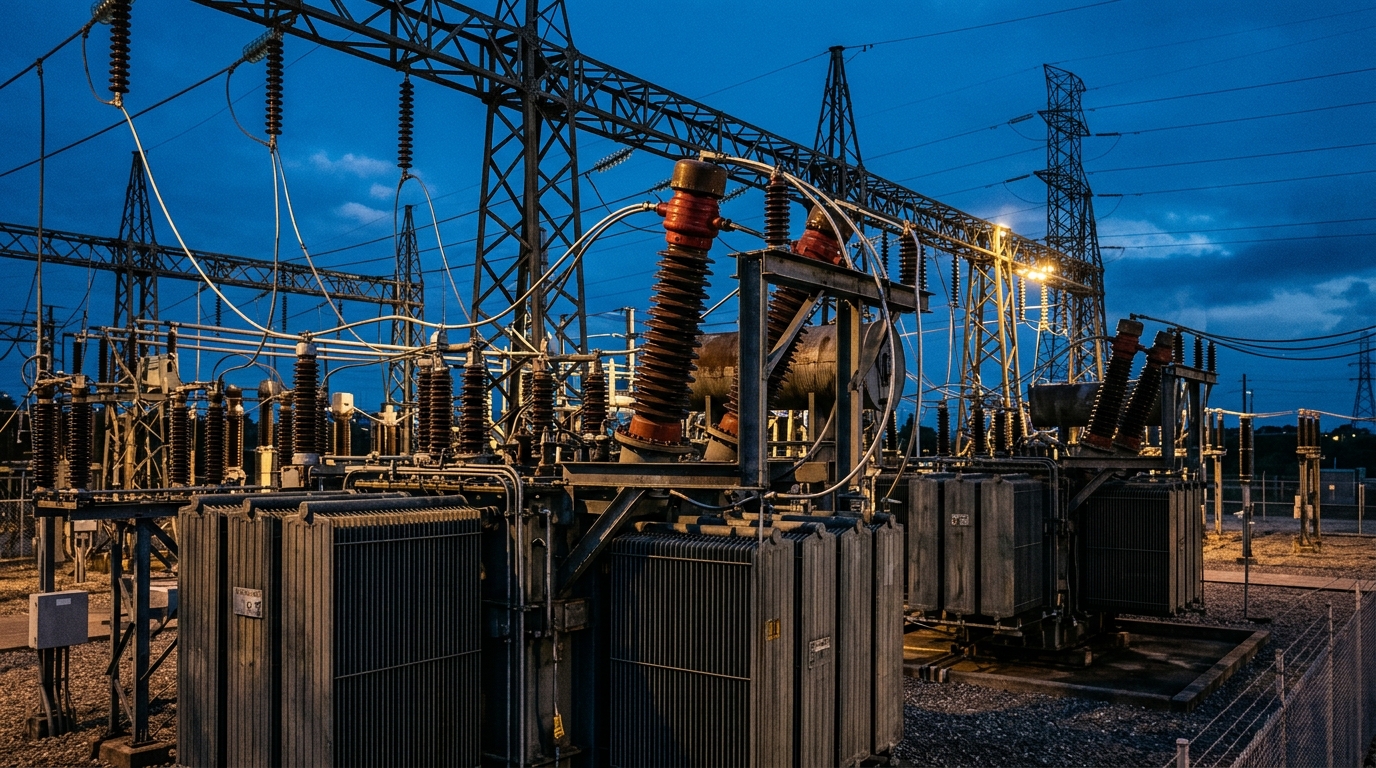
Surging data center expansion is concentrating procurement demand into power distribution and transmission systems, causing delivery delays and multi-year order backlogs across the electrical manufacturing sector. With high-voltage component lead times extending past three years, physical grid equipment has surpassed computing hardware as the primary constraint on new capital deployments, crowding out traditional industrial buyers.
Concentrated capital and manufacturing reallocation
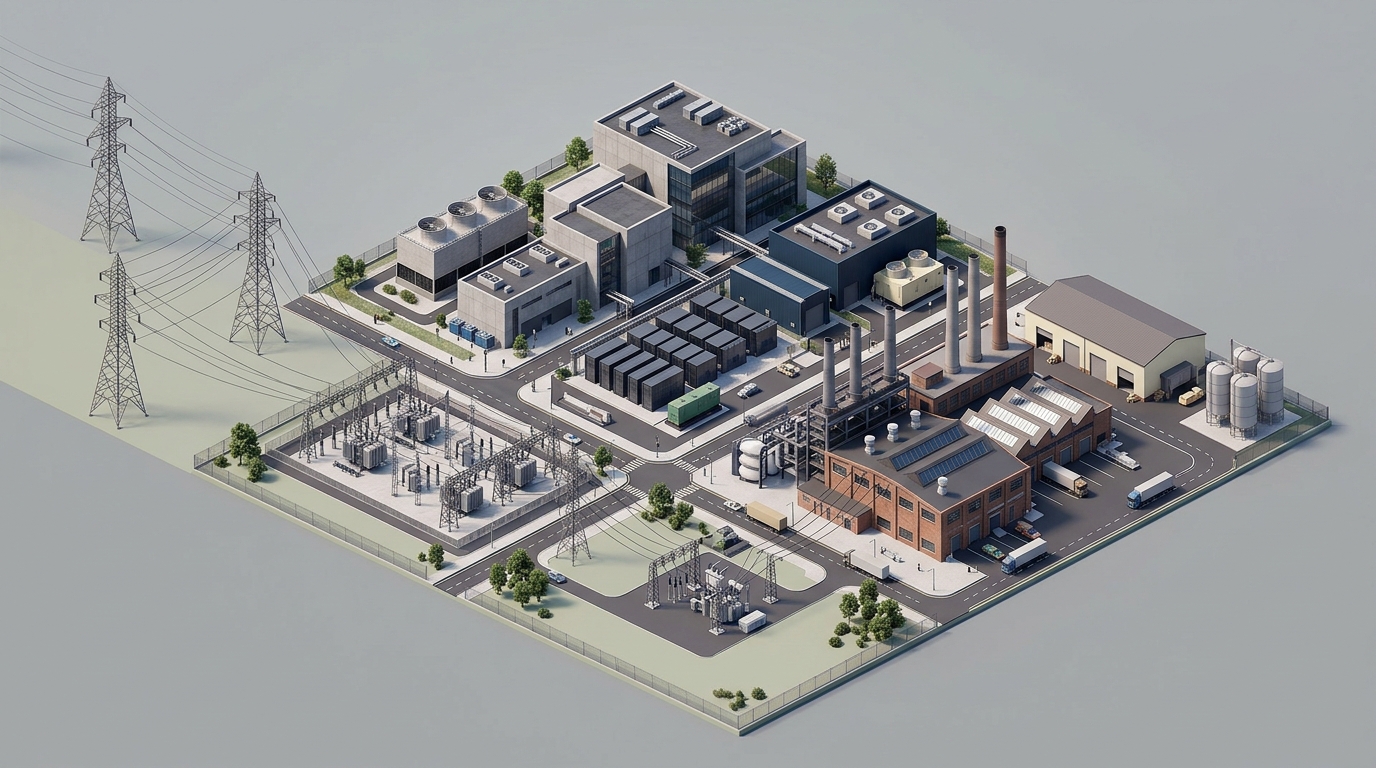
The scale of modern digital infrastructure buildouts isolates electrical equipment manufacturers from broader industrial cooling, with capital spending concentrating directly into transmission and power distribution equipment. According to tracking from the Electrical Equipment Lead Time Index, discrete project commitments have reached historic levels, including Powell securing a data center contract valued at more than $400 million as of August 3, 2026.
Transactions of this size show how hyperscale computing requirements bypass traditional, cyclical manufacturing demand. Equipment suppliers are committing substantial portions of their factory schedules to single infrastructure contracts instead of distributing production across a wider base of commercial and industrial customers. This concentration leaves conventional industrial buyers seeking equipment for plant modernization or electrification to compete directly against well-capitalized tech operators with immediate, inflexible power requirements.
Historic backlogs and delivery deceleration
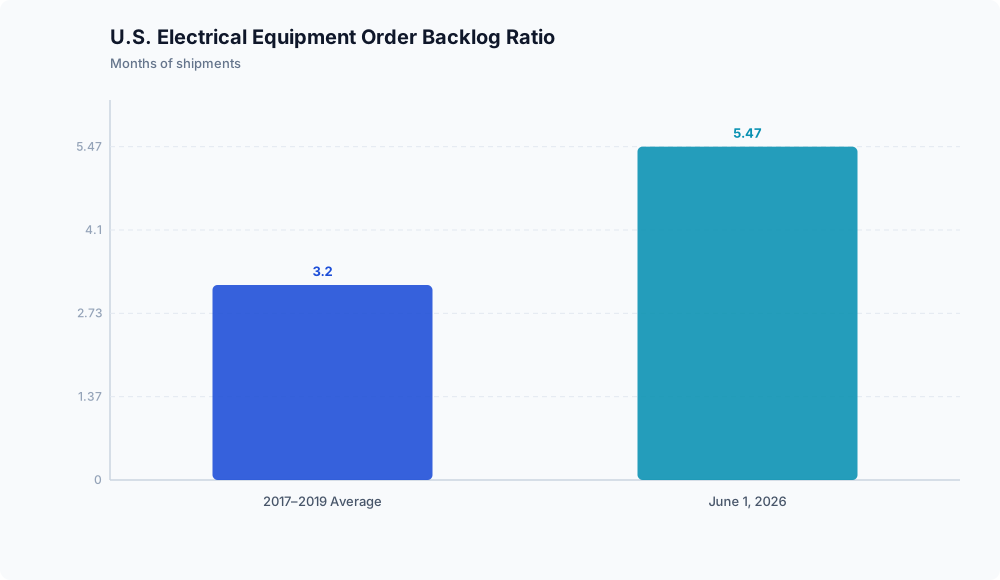
This concentrated demand has driven production queues higher. As recorded by the Electrical Equipment Lead Time Index, the U.S. electrical equipment manufacturing order backlog ratio (calculated from Census Bureau M3 unfilled orders divided by monthly shipments for NAICS 3353) rose to 5.47 months of shipments as of June 1, 2026. This figure represents a 71% increase over the pre-pandemic baseline of 3.2 months averaged between 2017 and 2019, showing that unfilled orders remain far ahead of monthly production capacity.
U.S. Electrical Equipment Manufacturing (NAICS 3353) Backlog Ratio
Pre-Pandemic Baseline (2017–2019 Average): [3.20 months]
June 1, 2026:                              [5.47 months] (+71%)
Fulfillment friction also appears across broader industrial channels. The ISM Manufacturing Supplier Deliveries Index registered 58.9 on July 1, 2026, as reported by the Electrical Equipment Lead Time Index. Because readings above 50 indicate slowing delivery speeds, this persistent elevation reflects ongoing fulfillment deceleration throughout manufacturing supply lines.
The transformer bottleneck and legacy industrial deferrals
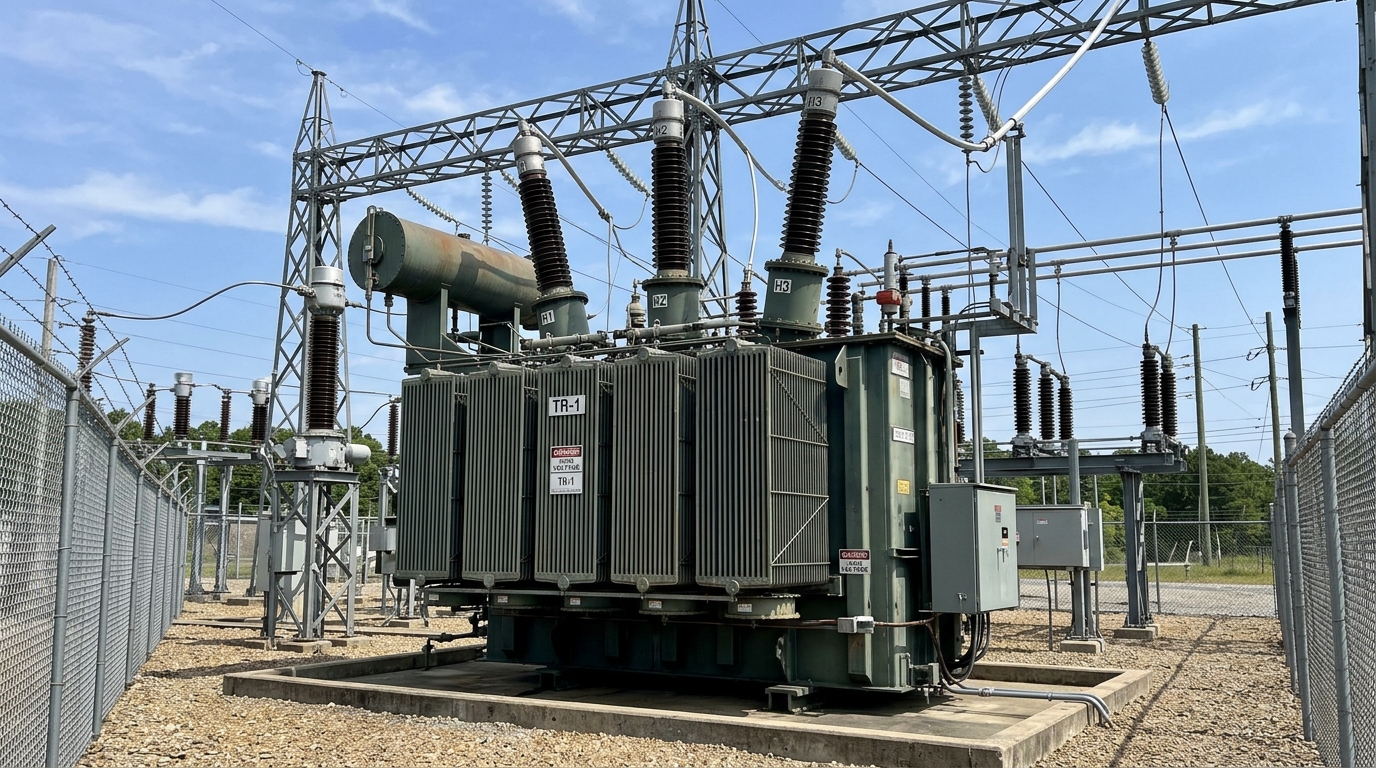
The imbalance between immediate infrastructure demand and specialized industrial output is most acute in high-voltage grid components. U.S. market lead times for power and substation transformers reached 160+ weeks as of August 13, 2026, according to the Electrical Equipment Lead Time Index.
Waiting more than three years from order placement to delivery effectively eliminates procurement flexibility for capital projects. Operationally, this queue establishes physical power availability as the governing ceiling for new site activations.
For legacy industrial operators, these conditions translate into multi-year scheduling uncertainty and project deferrals. Upgrades for grid interconnection, electrification, and plant efficiency routinely face delays, introducing compounding contractor carrying costs and elevated initial capital outlays.
Two empirical boundaries remain within the tracked data:
- Direct evidence detailing how this demand shock extends specifically to semiconductor suppliers or broader macro-level fixed investment percentages remains outside the available evidence.
- Quantitative data detailing the exact margin compression across specific downstream manufacturing sectors is limited, leaving the degree to which legacy operators can pass higher procurement and replacement costs to end customers an open question.
Strategic outlook
The combination of 160+ week transformer lead times, a 5.47-month manufacturing backlog ratio, and ongoing delivery deceleration points to structural execution risks across the electrical supply chain. Until manufacturing capacity expands sufficiently to absorb existing backlogs, large data center commitments will continue to claim near-term factory output, leaving non-tech industrial buyers with prolonged project delays and higher procurement barriers.
Disclaimer: This analysis is for informational purposes only and does not constitute investment, financial, real estate, or legal advice. Always consult a licensed financial advisor before making investment decisions.
Frequently asked questions
How does the current 5.47-month electrical equipment backlog compare to historical baseline levels? The 5.47-month order backlog ratio recorded on June 1, 2026 (for NAICS 3353, calculated from Census Bureau M3 unfilled orders divided by monthly shipments) represents a 71% increase over the pre-pandemic baseline of 3.2 months averaged between 2017 and 2019, according to the Electrical Equipment Lead Time Index.
Why can’t legacy industrial buyers easily substitute or expedite substation transformer orders? Substation and power transformers are specialized heavy grid components with U.S. lead times reaching 160+ weeks as of August 13, 2026, according to the Electrical Equipment Lead Time Index. Production queues are heavily backlogged by large single commitments, such as individual data center orders exceeding $400 million, preventing rapid substitution or factory rescheduling.