
August Payrolls and Fed Hike Odds: Impact on Markets
August payrolls and Fed hike odds: What resilient labor data means for rates and equities
The August 2026 jobs report does not guarantee that the Federal Reserve will raise interest rates in September. Stronger labor data has increased the likelihood of a rate hike by easing concerns about an immediate labor slowdown, but economists see the figures as giving the central bank room to raise rates without making an increase certain. Any decision by the Fed to tighten monetary policy still depends on upcoming inflation reports.
Labor resilience eases slowdown concerns
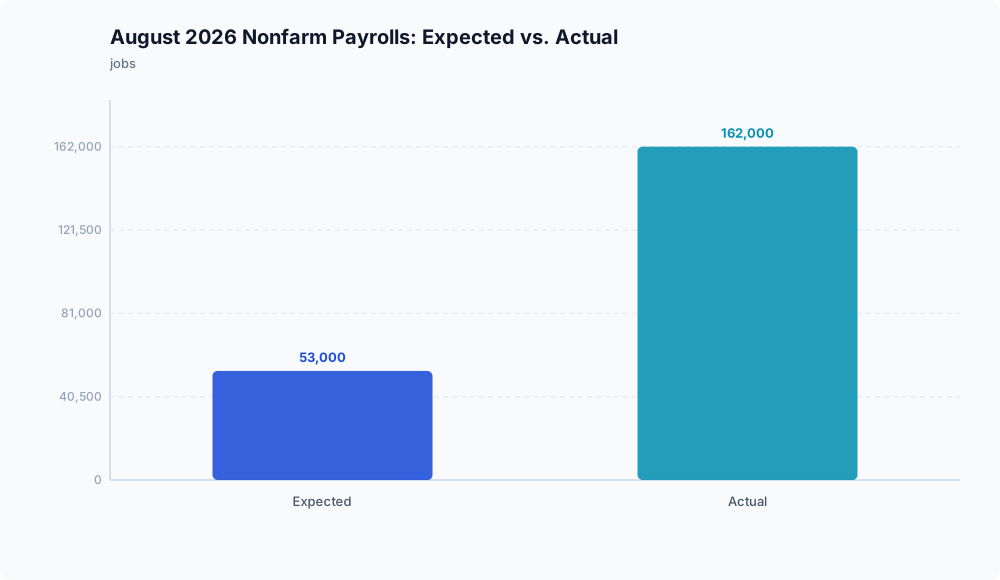
The U.S. economy added 162,000 nonfarm payroll jobs in August 2026, and the national unemployment rate held at 4.1%, representing 7.0 million unemployed workers, according to Bureau of Labor Statistics data reported by HousingWire. Earlier estimates for June and July 2026 were revised up by a combined 55,000 positions.
The 162,000 job gain exceeded market expectations, coming in well ahead of the Dow Jones consensus projection of 53,000 jobs reported by CNBC.
The hiring data nonetheless shifted monetary policy expectations. Economists cited by HousingWire noted that the absence of an immediate labor market breakdown allows the Federal Reserve to consider a rate hike at its September meeting. Stronger payrolls give policymakers room to tighten, but they will still look for confirmation from inflation readings before deciding to act.
Sector divergence highlights rate sensitivity
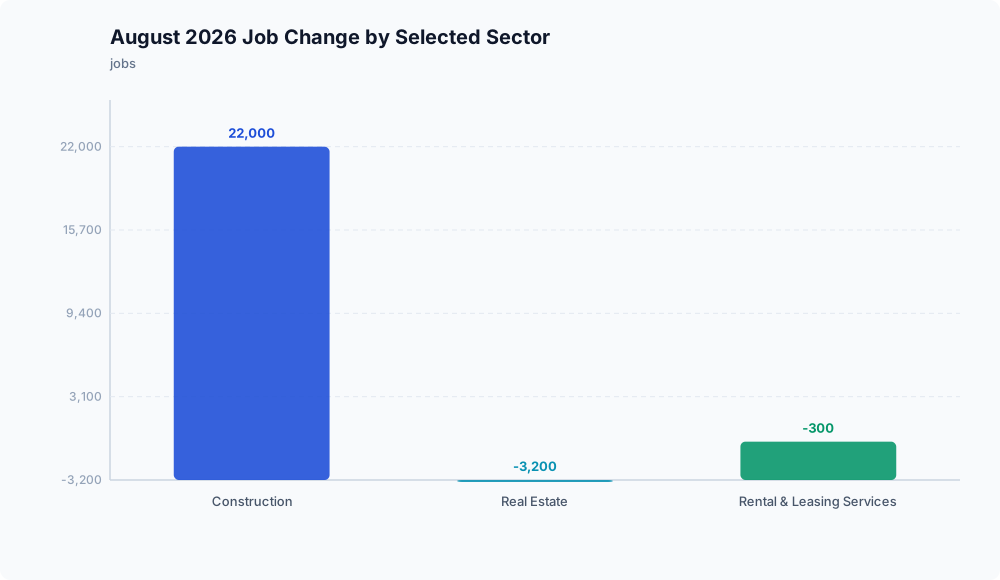
Job gains were unevenly distributed across the economy, with differences between construction and interest-rate-sensitive services. According to HousingWire, construction added 22,000 jobs in August 2026. Over the same period, real estate employment fell by 3,200 jobs, per HousingWire, and rental and leasing services dropped by 300 positions, as reported by HousingWire.
This split shows that while overall employment remains steady, sectors directly dependent on financing and property transactions are already slowing under higher borrowing costs.
Equity valuation and interest rates

For corporate earnings and public equities, the August report creates conflicting pressures.
A steady 4.1% unemployment rate, as reported by HousingWire, and ongoing job growth support consumer spending, which helps corporate revenues and reduces the immediate risk of an earnings recession.
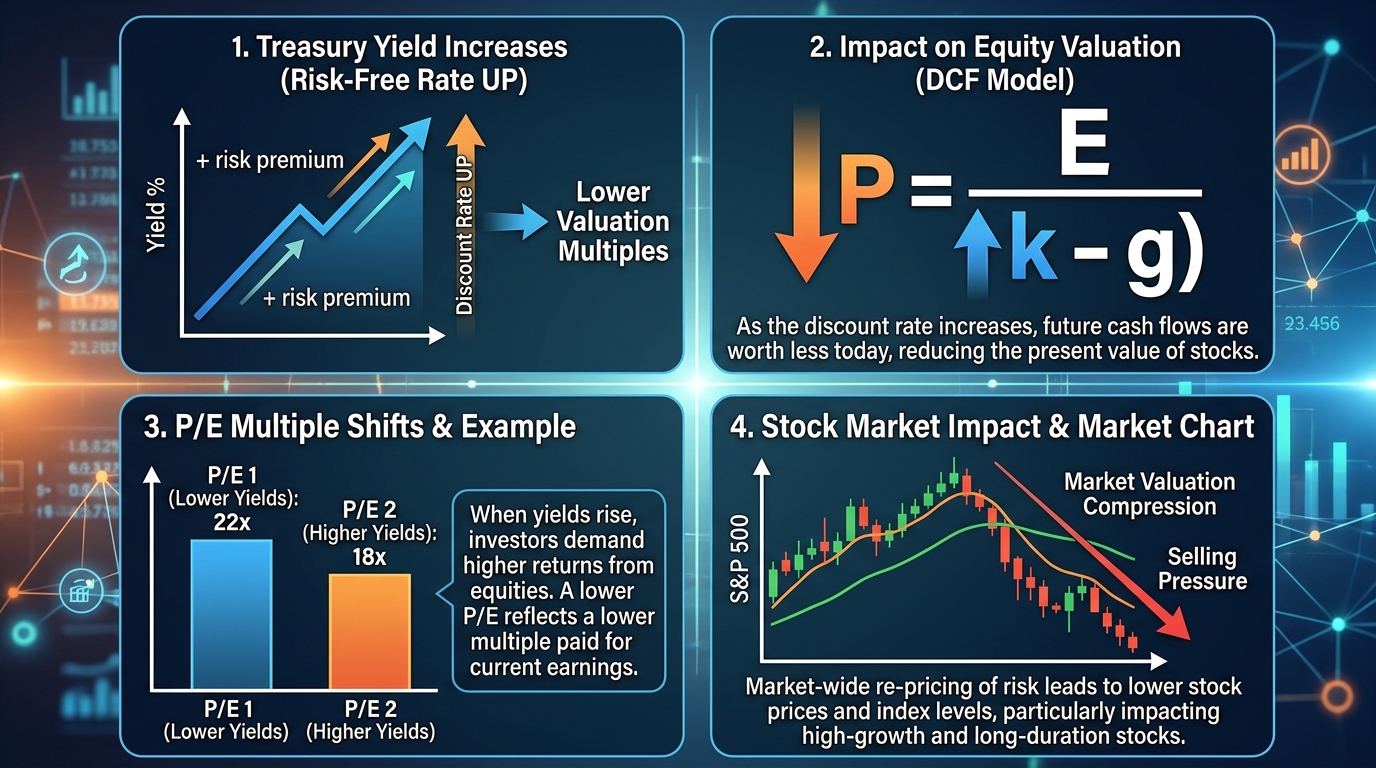
At the same time, sustained employment raises the likelihood of borrowing costs staying higher for longer. If the Federal Reserve keeps up policy pressure or raises rates, higher Treasury yields increase the discount rates applied to projected corporate cash flows. That can compress equity valuation multiples, including price-to-earnings ratios across the S&P 500.
The underlying data does not include direct measures of S&P 500 earnings revisions, realized Treasury yields, or broad valuation multiples, so the net effect on equity prices remains unclear. The outcome depends on whether corporate earnings growth can outpace the multiple compression brought on by higher interest rates.
Outlook for policy and markets
The August 2026 labor data reduces immediate concerns about a labor market contraction while keeping interest rate risks active. While the report confirms steady hiring, upcoming inflation data will determine the Fed’s next policy move.
Disclaimer: This analysis is for informational purposes only and does not constitute investment, financial, real estate, or legal advice. Always consult a licensed financial advisor before making investment decisions.