AI Infrastructure CapEx Supply Bottlenecks Reshape Energy
Rewriting the energy playbook: how power bottlenecks are reshaping AI infrastructure CapEx
How power and grid limits alter hyperscale capital expenditure
The main operational bottleneck for artificial intelligence has shifted from securing compute silicon to acquiring physical power and grid access. With public grid interconnection queues stretching past three years, traditional off-take contracts and utility processes no longer keep pace with computing roadmaps (enkiai.com). In response, technology operators are moving from virtual financial hedges toward direct infrastructure ownership and long-term balance-sheet commitments to secure physical delivery.
The contraction of standard market procurement
Hyperscalers previously met carbon-reduction targets and electricity needs through standard corporate power purchase agreements (PPAs). However, traditional commercial procurement mechanisms are faltering under supply pressures. According to Pexapark data reported by pv magazine USA, corporate PPA transaction volumes declined by 22% in 2025 as the pool of bankable clean energy projects contracted.
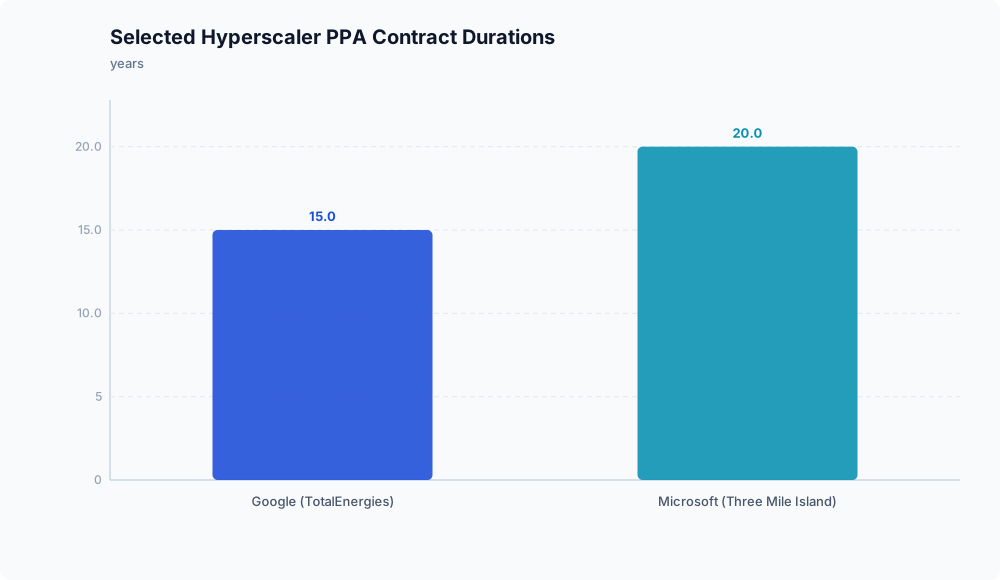
This market contraction has shifted pricing power toward independent power producers and clean energy developers that control shovel-ready assets. Interconnection bottlenecks have limited the supply of available energy, prompting buyers to sign longer volume commitments. In February 2026, for example, Google secured two 15-year PPAs with TotalEnergies for 1 GW of solar capacity from the Wichita and Mustang Creek projects in Texas (pv magazine USA).
Buyers are making similar long-term deals for baseload power: Microsoft structured a 20-year PPA to purchase 835 MW of direct capacity from the restarted Three Mile Island nuclear plant (Opten Power).
Vertical integration and direct balance-sheet ownership
Because standard utility connection queues can exceed three years, hyperscalers are moving beyond contract-only hedging to secure physical control over generation assets (enkiai.com). In December 2025, Alphabet followed this vertical integration strategy by acquiring clean energy developer Intersect Power for $4.75 billion (pv magazine USA).
Outright developer acquisitions mark a clear shift in enterprise capital allocation. Hyperscalers are putting multi-billion-dollar generation assets directly onto their balance sheets rather than treating electricity as a routine operational utility expense. While this protects critical facilities from interconnection delays, holding these assets increases enterprise capital intensity and reduces free cash flow flexibility.
Grid balancing and upstream realities
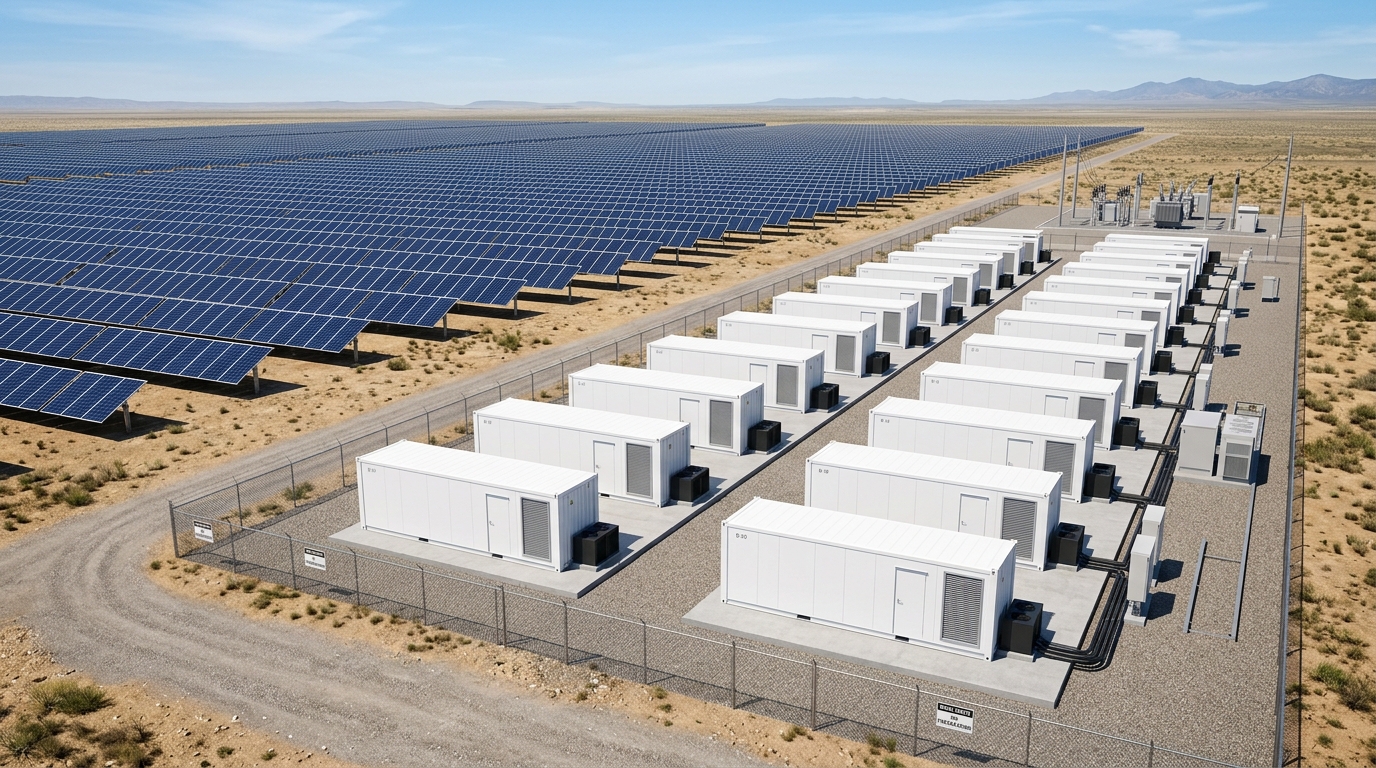
Operating high-density AI clusters around the clock requires co-located grid-balancing assets to manage the intermittency of clean energy. Driven by data center requirements for continuous uptime, utility-scale battery storage installations increased by 27% in the third quarter of 2025 (pv magazine USA).
Planned capacity continues to grow through the rest of the decade. A Wood Mackenzie analysis reported by pv magazine USA forecasts that annual U.S. solar generation will grow by 65% between 2026 and 2030, supported by 160 GW of hyperscaler large-load requests.
U.S. Renewable Growth Drivers (2025–2030)
┌──────────────────────────────────────┬───────────────────────────────┐
│ Metric / Deployment Focus            │ Reported Pace / Pipeline Scope │
├──────────────────────────────────────┼───────────────────────────────┤
│ Corporate PPA Volumes (2025)         │ -22% contraction (Pexapark)   │
│ Utility Storage Deployment (Q3 2025)  │ +27% quarterly increase       │
│ U.S. Solar Generation (2026–2030)    │ +65% projected expansion      │
│ Hyperscaler Large-Load Requests      │ 160 GW pipeline commitment    │
└──────────────────────────────────────┴───────────────────────────────┘
Realizing this projected capacity depends on overcoming policy and development hurdles. LevelTen Energy notes that tariff uncertainties, compliance with Foreign Entity of Concern rules, and stringent federal permitting procedures have stalled substantial amounts of development nationwide (pv magazine USA). Consequently, capital deployment is concentrating on projects that can demonstrate early procurement and clear paths to bypass grid bottlenecks (pv magazine USA).
Key analytical takeaways
The shift from financial power contracts to physical developer acquisitions shows that electricity availability is now the primary bottleneck for AI scaling. For enterprise strategists and investors, this alters the risk profile of hyperscale infrastructure: physical delivery schedules, grid interconnection queues, and balance-sheet asset ownership have eclipsed chip availability in determining data center expansion timelines.
Disclaimer: This analysis is for informational purposes only and does not constitute investment, financial, real estate, or legal advice. Always consult a licensed financial advisor before making investment decisions.
Frequently asked questions
Why are technology companies acquiring renewable power developers outright rather than relying exclusively on standard utility interconnection?
Public utility interconnection queues often exceed three years, delaying data center operational timelines (enkiai.com). At the same time, available bankable projects fell 22% in 2025 (pv magazine USA). Acquiring developers outright gives hyperscalers direct balance-sheet control over generation assets, securing physical power delivery without relying on slow public utility queues.
How does the capital-expenditure profile of physical grid buildout differ from traditional cloud server upgrade cycles?
Traditional cloud infrastructure CapEx centers on compute silicon and server hardware. In contrast, building physical generation and grid infrastructure involves multi-billion-dollar balance-sheet acquisitions, such as Alphabet’s $4.75 billion purchase of Intersect Power (pv magazine USA), along with 15- to 20-year contractual off-take liabilities that place long-term claims on free cash flow (pv magazine USA; Opten Power).