yield curve bear steepening cost of capital: what it means for stocks
How a bear steepening drives up the cost of capital
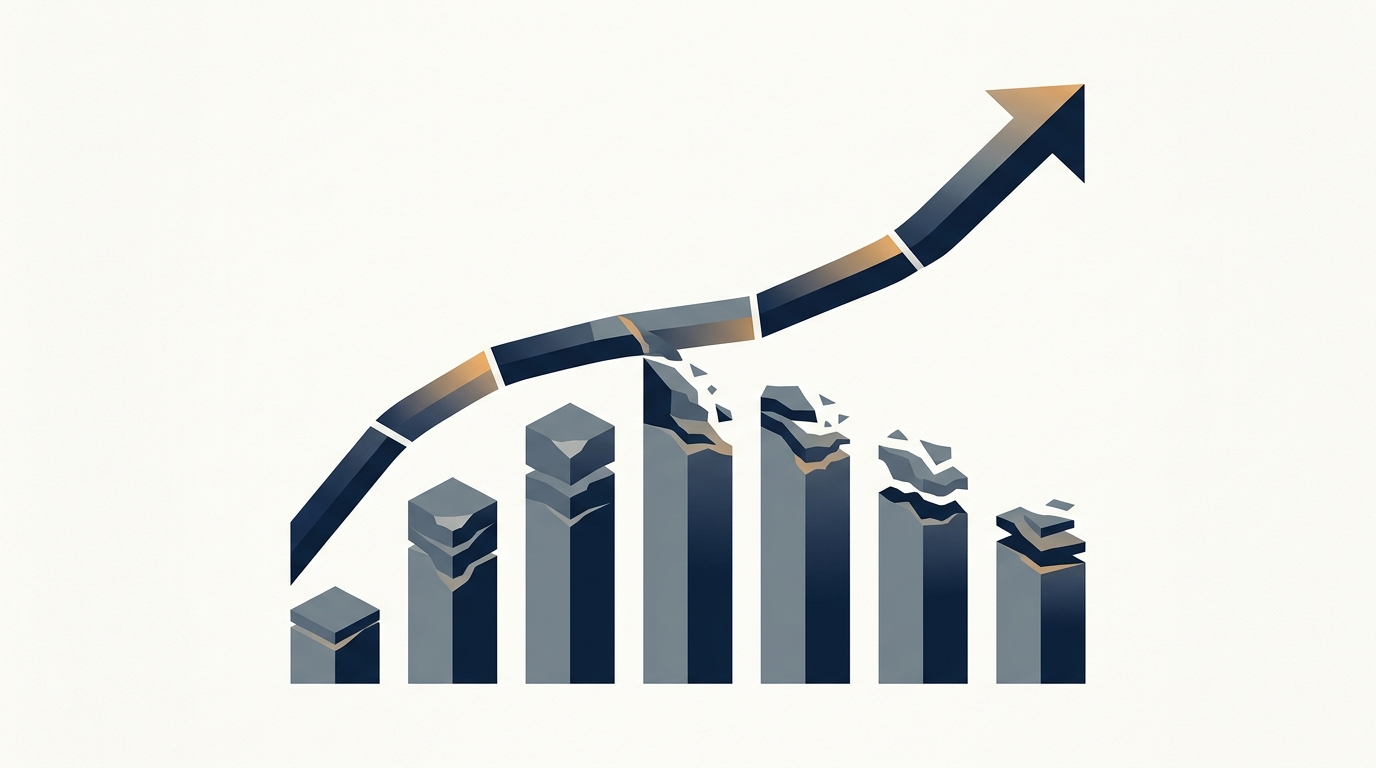
When the yield curve undergoes a bear steepening, long-term interest rates rise faster than short-term rates. When this move is driven by expanding term premiums rather than accelerating economic growth, it raises financing costs across the economy. For equities, higher benchmark yields elevate discount rates, compress valuation multiples, and narrow the excess return investors demand over risk-free government debt.
Anatomy of the move: term premiums and benchmark yields
A bear steepening occurs when yields on longer-dated bonds climb faster than yields on short-dated paper. This dynamic was evident when the U.S. 10-year Treasury note yield rose to its highest level since 2002 ahead of a bond sale, as reported by CNBC.
Much of this move stems from an expanding term premium, which represents the extra yield investors demand to hold duration and interest rate risk over multi-year horizons. While yield curve steepening often reflects faster economic activity, shifts driven by term premiums work differently. The Federal Reserve noted that an increase in term premiums, if unaccompanied by a strengthening of the economic outlook, can exert downward pressure on valuations across asset classes.
When long-term yields advance due to higher risk compensation rather than upgraded earnings expectations, discount rates rise without an offsetting lift to future corporate cash flows, depressing asset prices.
Squeezing the equity risk buffer
Higher benchmark yields compress the risk buffer in equity markets. The S&P 500 Equity Risk Premium, measured as the index’s earnings yield minus the 10-year Treasury yield, dropped to its lowest level in a quarter century, according to market data from Barchart. Earlier in the tightening cycle, this spread had fallen to a 14-year low, reaching levels not seen since 2008, as reported by Investing.com.
When default-risk-free government bond yields climb, stocks look relatively more expensive for investors Investing.com. Equity investors accept narrow excess returns relative to risk-free debt. When discount rates rise without stronger growth expectations, projected cash flows lose present value under higher discount factors, pressuring price-to-earnings multiples.
Available market evidence does not provide granular breakdowns showing the exact pace or dispersion of valuation adjustments across specific growth sectors.
Corporate balance sheets and borrowing costs
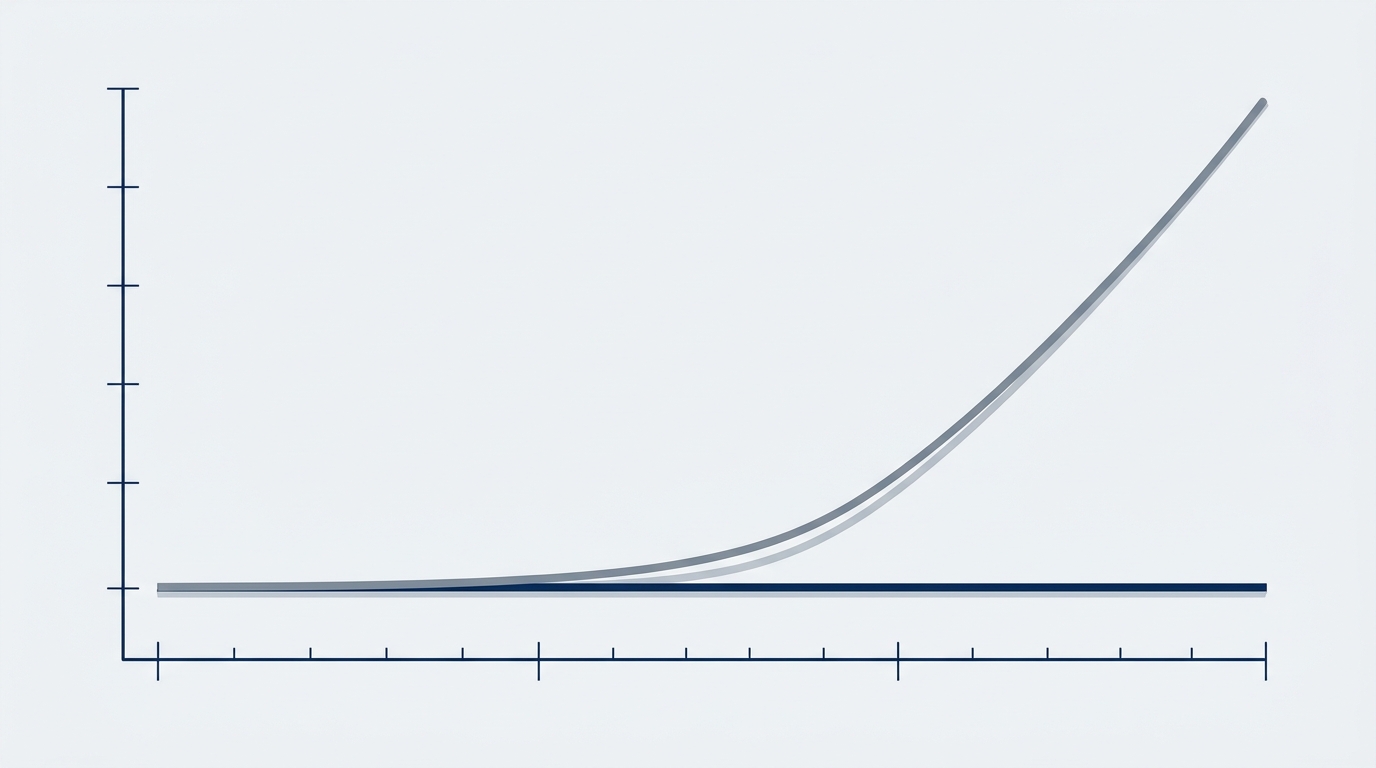
As the yield on the U.S. 10-year Treasury note increases, it raises the baseline cost of capital for firms, making debt financing and investment projects pricier Investing.com.
Broader conclusions regarding company-level balance sheet distress remain limited by available data. The current evidence does not include empirical data on upcoming corporate debt maturity schedules, verified declines in interest-coverage ratios, or measured institutional reallocations into value stocks.
Conclusion

A bear steepening driven by term premiums resets borrowing math across markets. When benchmark yields climb without a matching pickup in economic output, hurdle rates increase, equity risk buffers compress, and stock valuations face tighter constraints.
Disclaimer: This analysis is for informational purposes only and does not constitute investment, financial, real estate, or legal advice. Always consult a licensed financial advisor before making investment decisions.
Frequently asked questions
How does a bear steepener specifically differ from a bull steepener in its effect on equity discount rates? In a bear steepener, long-term yields rise faster than short-term yields, which pushes long-term discount rates higher and increases the baseline cost of capital. In contrast, a bull steepener occurs when short-term yields fall more rapidly than long-term yields, typically because of monetary easing, which lowers short-term borrowing costs and reduces front-end discount rates across the economy.