Shelter Disinflation and Multifamily NOI Under New Supply
How record apartment deliveries are pressuring multifamily cash flows
How does shelter disinflation interact with multifamily net operating income amid historic new supply?
A massive wave of new apartment construction has shifted bargaining power to tenants, pushing the national multifamily vacancy rate to 7.2%, according to Trepp, and forcing landlords to offer concessions that erode effective revenue. While slower rent growth helps cool broader housing cost measures, it significantly weakens property-level operational margins. Consequently, cash flow supporting commercial real estate debt has thinned considerably: by late 2025, more than 5,300 securitized multifamily properties were operating with net revenues insufficient to cover debt obligations, as reported by Trepp.
Physical supply influx and rising vacancy
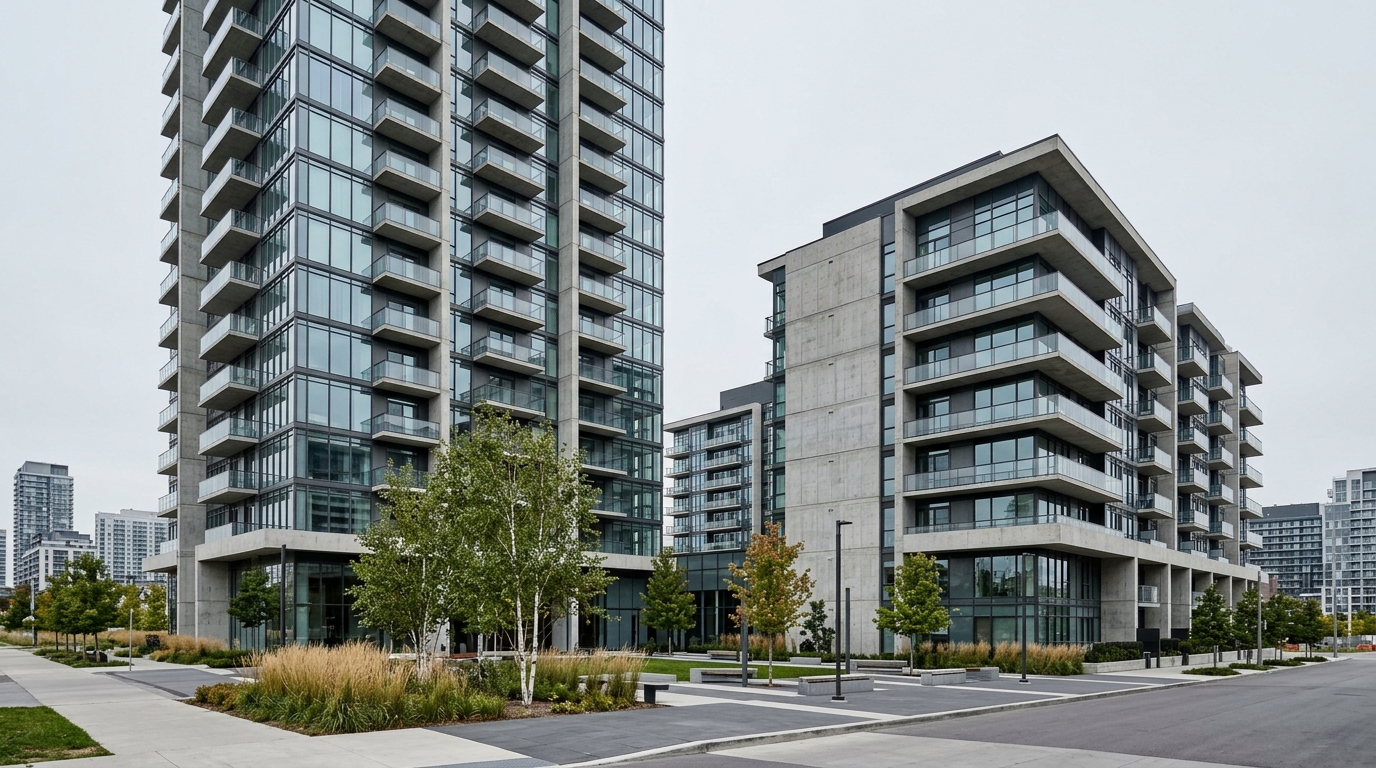
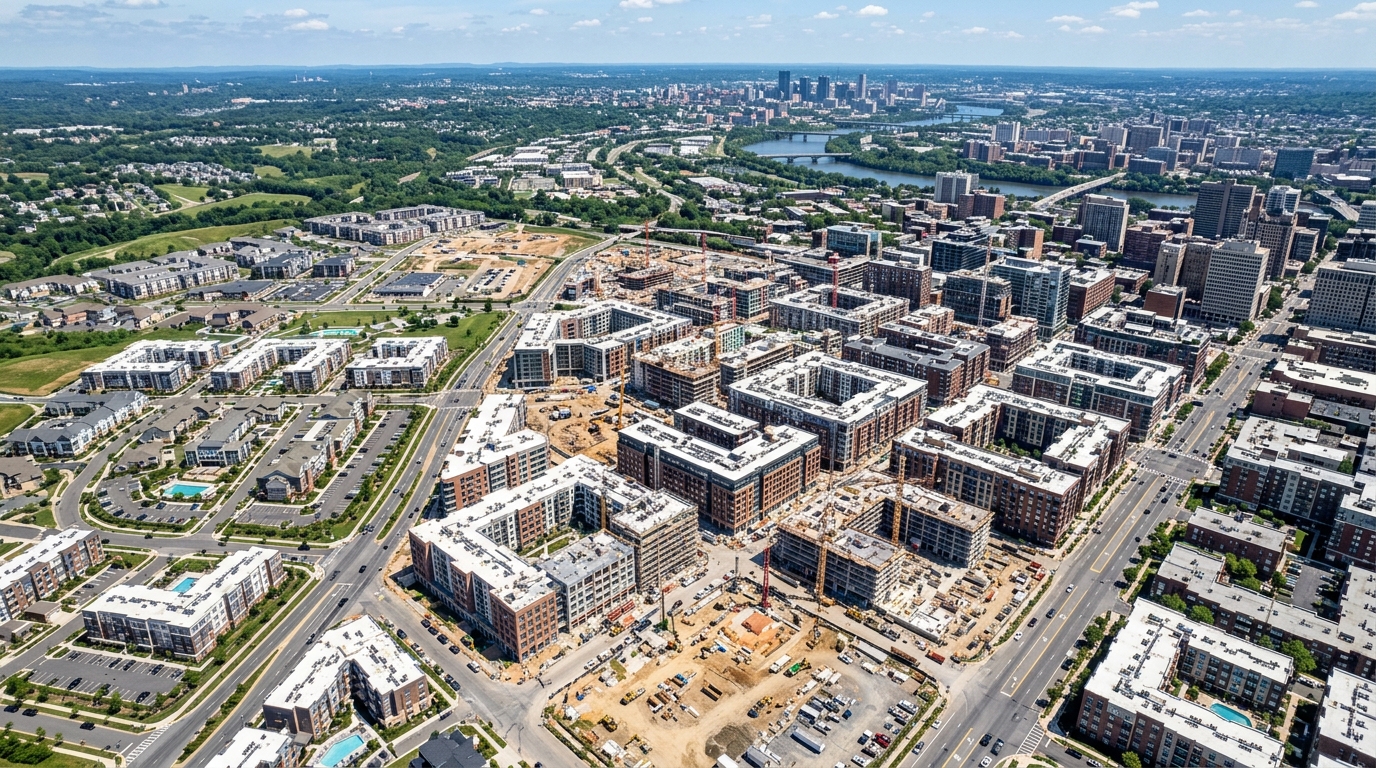
The commercial real estate rental market faces a historic supply overhang. In 2024, developers completed nearly 592,000 new multifamily units across the United States, representing the largest single-year delivery total since 1974, according to Trepp.
This rapid expansion in available housing stock has outpaced immediate tenant absorption. As a result, the national multifamily vacancy rate reached 7.2% in late 2025, as reported by Trepp. The volume of competing choices has curtailed the pricing power property owners held during the post-pandemic rebound, shifting market conditions toward tenant retention.
Concessions and the illusion of headline rents
To protect physical occupancy, property managers have increasingly relied on upfront concessions rather than cutting published asking rents on lease listings. These incentives include:
- Multiple weeks or months of free rent
- Waived administrative and application fees
- Upfront move-in credits and parking discounts
While these lease incentives keep nominal face rents steady on rent rolls, they obscure an underlying drop in net effective income. A building may show high physical occupancy on paper, but rent abatements create economic vacancy that directly reduces collected cash flow. For owners managing elevated operating expenses, this revenue gap quickly cuts into net operating income (NOI).
Debt service coverage enters negative territory
Flat or discounted effective rents alongside persistent operational expenses have created acute financial pressure for leveraged assets. According to Trepp, more than 5,300 securitized multifamily properties were operating with debt service coverage ratios (DSCRs) below 1.0x in late 2025.
A DSCR below 1.0x indicates that a property’s net operating income falls short of its contractual debt obligations. When operating cash flow is negative, owners face three main choices:
- Subsidize monthly debt shortfalls out of cash reserves.
- Inject fresh sponsor equity to stabilize the property.
- Face loan default or special servicing.
Because these assets fail to service existing obligations from ongoing operations, they face elevated credit risk and major refinancing hurdles as their loans mature.
Macro inflation signals versus property realities
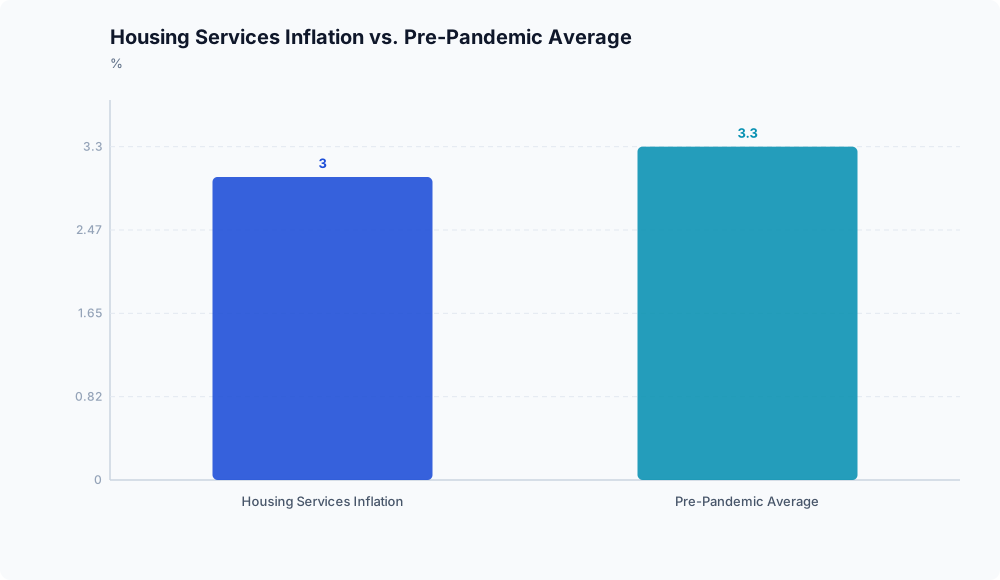
Macroeconomic commentaries often point to easing rent growth and supply additions as factors cooling shelter inflation. However, commercial property datasets do not directly measure official Consumer Price Index (CPI) shelter components. The link between physical apartment deliveries and broader consumer inflation readings remains an economic inference rather than a measured metric in property-level loan data.
Furthermore, whether benchmark rate relief will arrive in time or compress Treasury yields enough to resolve balance-sheet pressures remains analytically uncertain. Lower borrowing rates reduce the cost of future debt issuances, but they do not automatically fix operating shortfalls. If elevated local supply keeps vacancies high and continues to demand heavy concessions, rate cuts alone may prove insufficient to rescue properties running recurring operational deficits.
Summary

The multifamily sector’s cash-flow strains stem directly from a structural supply-demand mismatch. While lower inflation and prospective interest rate cuts offer potential financial tailwinds, the immediate challenge for commercial real estate is operational. As long as landlords must offer substantial concessions to compete with elevated supply, thousands of properties will remain exposed to debt service shortfalls regardless of where benchmark rates head next.
Disclaimer: This analysis is for informational purposes only and does not constitute investment, financial, real estate, or legal advice. Always consult a licensed financial advisor before making investment decisions.
Frequently asked questions
How do lease concessions disguise the true drop in multifamily net operating income? Concessions like free rent periods or move-in allowances allow owners to maintain published asking rates on lease agreements while reducing the actual cash collected over the lease term. Because operating expenses do not decline when incentives are granted, the drop in effective collections flows directly through to net operating income, masking true revenue deterioration behind stable headline rent figures.
Why does lower shelter inflation help future borrowing costs while hurting current property cash flow? Decelerating shelter inflation relieves broad inflationary pressure, increasing the likelihood that monetary policymakers lower benchmark interest rates, which can reduce future debt yields. However, that disinflation is caused by stagnant or declining effective rents and higher vacancy. While prospective borrowing becomes cheaper, the property’s current operational revenue drops, making existing debt service harder to cover.